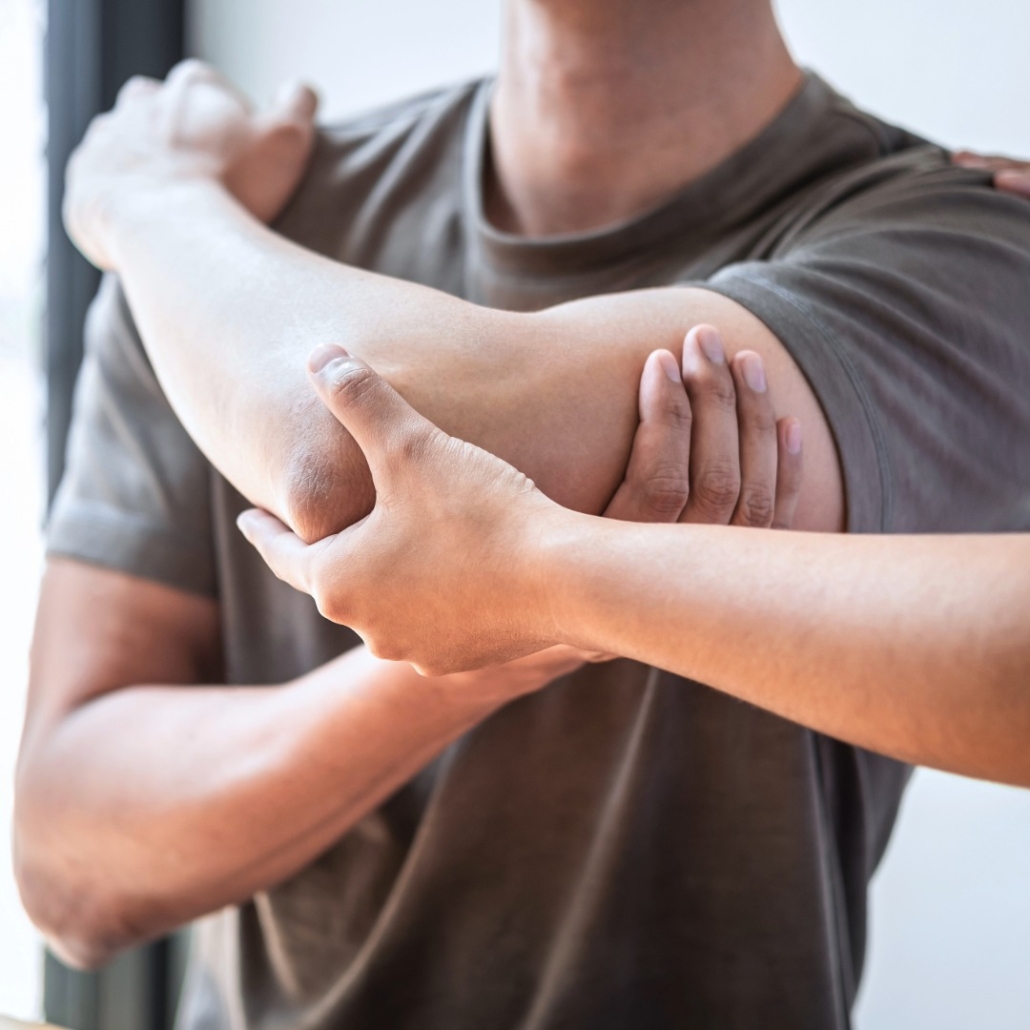
Rest vs. Rehab: Why Complete Rest Isn’t Always the Best Recovery Plan
When pain or injury strikes, the first instinct for many people is simple: stop moving and rest. While rest can be helpful in the early stages of an injury, complete inactivity for too long can actually slow recovery and make returning to normal activities harder. Understanding the difference between helpful rest and guided rehabilitation can make a major difference in how quickly and safely you heal.
At Wall 2 Wall Sports & Rehab, we often meet patients who have been resting for weeks or months, hoping their pain will disappear. Instead, they feel stiff, weak, and frustrated. The truth is that the body heals best when rest and movement are balanced correctly.
Why Rest Is Important in Early Recovery
Rest plays a valuable role immediately after an injury. When tissues are irritated or damaged, the body needs time to calm inflammation and begin the healing process. This early phase may involve reducing activity, modifying workouts, or avoiding movements that cause sharp pain.
However, rest should be temporary and strategic. The goal is to protect the injured area while preparing it to move again safely. Staying completely inactive for too long can create new problems that delay healing.
What Happens When You Rest Too Long
Many people are surprised to learn how quickly the body begins to lose strength and mobility during inactivity. Research shows that muscle strength can begin to decline within just one to two weeks of reduced use. Joints can become stiff, balance can decrease, and overall endurance drops.
Extended rest can lead to:
- Muscle weakness and loss of stability
- Joint stiffness and reduced flexibility
- Decreased circulation and slower healing
- Increased risk of reinjury when activity resumes
- Ongoing pain caused by poor movement patterns
This is why pain often returns when someone tries to get back into exercise or daily activities after a long period of rest.
The Difference Between Rest and Rehabilitation
Rest means reducing stress on the body. Rehabilitation means guiding the body back to normal movement safely and progressively. Both are important, but they serve different purposes.
Rehabilitation focuses on restoring strength, flexibility, coordination, and confidence. Instead of avoiding movement, rehab introduces the right movements at the right time and intensity.
This approach allows injured tissues to adapt and become stronger as they heal.
Why Movement Helps the Healing Process
Gentle, guided movement improves blood flow, which delivers oxygen and nutrients to healing tissues. Movement also helps maintain joint mobility and keeps surrounding muscles active and supportive.
Without movement, scar tissue can form in a way that limits flexibility and function. With the right exercises, tissues heal in a more organized and resilient way.
This is one of the main reasons physical therapy plays such a key role in recovery. A structured program ensures that activity progresses safely without aggravating the injury.
Common Injuries That Benefit from Early Rehab
Many conditions respond better to controlled movement than complete rest, including:
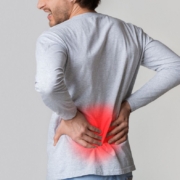
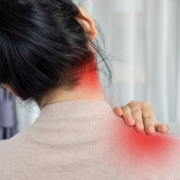
- Low back and neck pain
- Shoulder and rotator cuff injuries
- Knee pain and ligament sprains
- Ankle sprains and foot injuries
- Tendon irritation such as tennis elbow or Achilles pain
In these cases, avoiding movement for too long often leads to stiffness and delayed recovery.
How a Doctor of Physical Therapy Guides Recovery
A Doctor of Physical Therapy evaluates how your body moves, identifies limitations, and creates a personalized plan to help you recover. This plan typically includes:
Movement assessment: Understanding which motions are limited or painful.
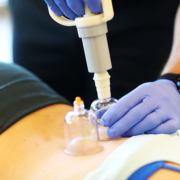
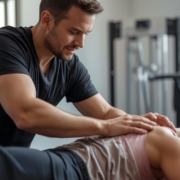
Hands-on treatment: Techniques to improve joint and soft tissue mobility.
Targeted exercises: Strengthening and stability work tailored to your needs.
Education: Guidance on activity levels, posture, and daily habits that support healing.
This combination helps patients move forward with confidence instead of guessing what is safe.
The Benefits of Mobile, Concierge Physical Therapy
One challenge many people face is finding time to prioritize recovery. Busy schedules, long commutes, and crowded clinics can make consistent care difficult.
Mobile physical therapy removes these barriers by bringing treatment directly to your home, workplace, or gym. Longer, one-on-one sessions allow for a more thorough evaluation and a personalized recovery plan that fits your lifestyle.
This approach helps patients stay consistent, which is one of the most important factors in successful rehabilitation.
Knowing When to Seek Help
A good rule of thumb is to seek guidance if pain lasts longer than a few days, returns repeatedly, or limits daily activities. Waiting too long can allow small issues to become more complex and harder to treat.
Early intervention often leads to faster recovery, fewer setbacks, and better long-term results.
Finding the Right Balance Between Rest and Rehab
The key takeaway is simple: rest is helpful, but movement is essential. The body is designed to move, adapt, and become stronger through activity. When rest and rehabilitation are balanced correctly, recovery becomes more efficient and sustainable.
If pain or injury is keeping you from doing what you love, you do not have to wait for it to resolve on its own. Guided rehabilitation can help you move better, feel stronger, and return to your normal routine with confidence.
Taking the first step toward recovery can be as simple as reaching out for professional guidance and creating a plan tailored to your needs. Call to schedule your appointment today with Wall 2 Wall Sports & Rehab.