Manual Therapy Myths: What Really Works and Why

If you have ever been to physical therapy or sports rehab, you have probably heard the term “manual therapy.” From massage and joint mobilization to soft tissue work and stretching, manual therapy is one of the most talked-about treatment approaches in rehabilitation. But there are also plenty of misconceptions surrounding it.

At Wall 2 Wall Sports & Rehab we believe patients deserve honest, evidence-based care. Let’s break down some of the most common manual therapy myths and explain what actually works when it comes to reducing pain, improving movement, and helping you return to the activities you love.

Myth #1: Manual Therapy “Fixes” the Problem Instantly

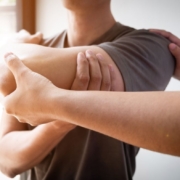
Many people believe that a massage, adjustment, or soft tissue treatment permanently “puts things back into place.” In reality, the human body is much more complex than that.

Manual therapy can absolutely help reduce pain, improve mobility, and calm irritated tissues. However, lasting recovery usually requires a combination of treatments that include strengthening, mobility exercises, movement retraining, and activity modification.

At Wall 2 Wall Sports & Rehab, manual therapy is used as part of a comprehensive treatment plan—not as a temporary quick fix. Whether you are dealing with shoulder pain, back pain, golf injuries, or post-surgical stiffness, the goal is long-term improvement and performance.

Myth #2: If It Hurts More, It Works Better

This is one of the biggest misconceptions in sports rehabilitation. Aggressive treatment does not always mean better treatment.

Some patients think deep pressure or painful techniques are necessary to “break up scar tissue” or create results. Research continues to show that excessively painful treatment can actually increase muscle guarding and nervous system sensitivity.

Effective manual therapy should feel productive, not traumatic. Skilled physical therapists know how to adjust pressure and techniques based on your condition, pain level, and goals.

At our mobile physical therapy clinic in Glendale and the West Phoenix area, treatments are individualized. Some athletes benefit from deeper soft tissue mobilization, while others respond better to gentle joint mobilizations, cupping, or mobility work.

Myth #3: Manual Therapy Only Works for Athletes

Manual therapy is not just for high-level athletes or active adults. It can benefit almost anyone experiencing pain, stiffness, or movement limitations.

We commonly use manual therapy for:

  • Neck and back pain
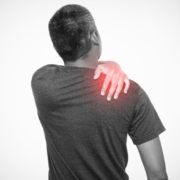
  • Shoulder injuries
  • Hip and knee stiffness
  • Sports injuries
  • Pickleball and golf-related pain
  • Post-surgical recovery
  • Chronic muscle tightness
  • Headaches and mobility restrictions

Combined with corrective exercise and movement education, manual therapy can help patients of all ages move more comfortably and confidently.

Myth #4: Massage and Manual Therapy Are the Same Thing

Massage can certainly be helpful for relaxation and circulation, but physical therapy manual therapy is much more targeted.

A Doctor of Physical Therapy uses hands-on techniques based on anatomy, biomechanics, and movement assessments. This may include:

At Wall 2 Wall Sports & Rehab, treatments are designed to improve function—not just provide temporary relief.

What Really Works?

The most effective rehabilitation plans combine:

  • Hands-on manual therapy
  • Strength training
  • Mobility exercises
  • Activity-specific rehab
  • Patient education
  • Progressive loading strategies

Manual therapy works best when it helps patients move better, tolerate exercise more comfortably, and regain confidence in their body.

If you are searching for mobile physical therapy in Glendale AZ, sports injury rehab in Peoria, or concierge physical therapy in West Phoenix, Wall 2 Wall Sports & Rehab provides one-on-one personalized care designed around your goals and lifestyle.

Ready to get back to doing what you love without pain limiting your progress? Contact Wall 2 Wall Sports & Rehab today to schedule your in-home evaluation.

Flexible Payment Options Now Available

At Wall 2 Wall Sports & Rehab, we believe access to high-quality physical therapy should be convenient and stress-free.

We are now proud to offer flexible payment plans through Affirm, allowing qualified patients to spread out the cost of treatment over time with manageable monthly payments.

This can help you:

  • Start treatment sooner
  • Continue care consistently
  • Invest in your recovery without large upfront costs
  • Access advanced services like diagnostic ultrasound, dry needling, sports rehab, and golf performance treatment

Whether you are recovering from surgery, dealing with a sports injury, or trying to stay active and pain-free, flexible payment options can make it easier to prioritize your health.

Schedule your evaluation today.

Rest vs. Rehab: Why Complete Rest Isn’t Always the Best Recovery Plan

When pain or injury strikes, the first instinct for many people is simple: stop moving and rest. While rest can be helpful in the early stages of an injury, complete inactivity for too long can actually slow recovery and make returning to normal activities harder. Understanding the difference between helpful rest and guided rehabilitation can make a major difference in how quickly and safely you heal.

At Wall 2 Wall Sports & Rehab, we often meet patients who have been resting for weeks or months, hoping their pain will disappear. Instead, they feel stiff, weak, and frustrated. The truth is that the body heals best when rest and movement are balanced correctly.

Why Rest Is Important in Early Recovery

Rest plays a valuable role immediately after an injury. When tissues are irritated or damaged, the body needs time to calm inflammation and begin the healing process. This early phase may involve reducing activity, modifying workouts, or avoiding movements that cause sharp pain.

However, rest should be temporary and strategic. The goal is to protect the injured area while preparing it to move again safely. Staying completely inactive for too long can create new problems that delay healing.

What Happens When You Rest Too Long

Many people are surprised to learn how quickly the body begins to lose strength and mobility during inactivity. Research shows that muscle strength can begin to decline within just one to two weeks of reduced use. Joints can become stiff, balance can decrease, and overall endurance drops.

Extended rest can lead to:

  • Muscle weakness and loss of stability
  • Joint stiffness and reduced flexibility
  • Decreased circulation and slower healing
  • Increased risk of reinjury when activity resumes
  • Ongoing pain caused by poor movement patterns

This is why pain often returns when someone tries to get back into exercise or daily activities after a long period of rest.

The Difference Between Rest and Rehabilitation

Rest means reducing stress on the body. Rehabilitation means guiding the body back to normal movement safely and progressively. Both are important, but they serve different purposes.

Rehabilitation focuses on restoring strength, flexibility, coordination, and confidence. Instead of avoiding movement, rehab introduces the right movements at the right time and intensity.

This approach allows injured tissues to adapt and become stronger as they heal.

Why Movement Helps the Healing Process

Gentle, guided movement improves blood flow, which delivers oxygen and nutrients to healing tissues. Movement also helps maintain joint mobility and keeps surrounding muscles active and supportive.

Without movement, scar tissue can form in a way that limits flexibility and function. With the right exercises, tissues heal in a more organized and resilient way.

This is one of the main reasons physical therapy plays such a key role in recovery. A structured program ensures that activity progresses safely without aggravating the injury.

Common Injuries That Benefit from Early Rehab

Many conditions respond better to controlled movement than complete rest, including:

In these cases, avoiding movement for too long often leads to stiffness and delayed recovery.

How a Doctor of Physical Therapy Guides Recovery

A Doctor of Physical Therapy evaluates how your body moves, identifies limitations, and creates a personalized plan to help you recover. This plan typically includes:

Movement assessment: Understanding which motions are limited or painful.
Hands-on treatment: Techniques to improve joint and soft tissue mobility.
Targeted exercises: Strengthening and stability work tailored to your needs.
Education: Guidance on activity levels, posture, and daily habits that support healing.

This combination helps patients move forward with confidence instead of guessing what is safe.

The Benefits of Mobile, Concierge Physical Therapy

One challenge many people face is finding time to prioritize recovery. Busy schedules, long commutes, and crowded clinics can make consistent care difficult.

Mobile physical therapy removes these barriers by bringing treatment directly to your home, workplace, or gym. Longer, one-on-one sessions allow for a more thorough evaluation and a personalized recovery plan that fits your lifestyle.

This approach helps patients stay consistent, which is one of the most important factors in successful rehabilitation.

Knowing When to Seek Help

A good rule of thumb is to seek guidance if pain lasts longer than a few days, returns repeatedly, or limits daily activities. Waiting too long can allow small issues to become more complex and harder to treat.

Early intervention often leads to faster recovery, fewer setbacks, and better long-term results.

Finding the Right Balance Between Rest and Rehab

The key takeaway is simple: rest is helpful, but movement is essential. The body is designed to move, adapt, and become stronger through activity. When rest and rehabilitation are balanced correctly, recovery becomes more efficient and sustainable.

If pain or injury is keeping you from doing what you love, you do not have to wait for it to resolve on its own. Guided rehabilitation can help you move better, feel stronger, and return to your normal routine with confidence.

Taking the first step toward recovery can be as simple as reaching out for professional guidance and creating a plan tailored to your needs. Call to schedule your appointment today with Wall 2 Wall Sports & Rehab.

Pain-Free Pickleball: Stay in the Game

Pickleball is one of the fastest-growing sports—and it’s easy to see why. It’s fun, competitive, and accessible for all ages. But as participation increases, so do injuries that can keep players off the court.

At Wall 2 Wall Sports & Rehab, we specialize in mobile physical therapy and help pickleball players stay active, recover faster, and perform at a higher level. Our April special, Pain-Free Pickleball: Staying in the Game, is designed to help you prevent injuries and get back to playing without limitations.

Why Pickleball Players Get Injured

While pickleball is often considered low-impact, it places repetitive stress on the body through quick lateral movements, sudden stops, and rotational swings. Without proper strength, mobility, and recovery, this can lead to overuse injuries and pain.

The most common areas we treat for pickleball injury include the shoulder, elbow, knee, and ankle.

Shoulder Pain from Pickleball

The shoulder is heavily involved in serves, overhead shots, and repeated swinging motions. Limited mobility or poor mechanics can lead to irritation of the rotator cuff.

Common symptoms include:

  • Pain with overhead movements
  • Weakness during serves
  • Tightness after playing

Our sports physical therapy focuses on restoring shoulder mobility, improving strength, and optimizing movement patterns to reduce strain and improve performance.

 Elbow Pain (“Pickleball Elbow”)

Repetitive gripping and swinging often lead to lateral elbow pain, similar to tennis elbow. This is one of the most common conditions we see in these types of injuries. 

Common symptoms include:

  • Pain on the outside of the elbow
  • Weak grip strength
  • Discomfort during or after play

With targeted physical therapy, we address forearm strength, soft tissue restrictions, and mechanics to relieve pain and prevent recurrence.

Knee Pain and Instability

Frequent stop-and-go movements place significant stress on the knee joint, especially if there are underlying strength or mobility deficits.

Common symptoms include:

  • Pain with squatting or lunging
  • Swelling after activity
  • Stiffness during movement

When it comes to physical therapy, we focus on lower body strength, joint stability, and movement efficiency to reduce knee strain and improve confidence on the court.

Ankle Sprains and Instability

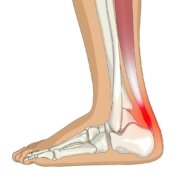
Quick directional changes make the ankle vulnerable to sprains, especially in athletes lacking proper balance and stability.

Common symptoms include:

  • Rolling the ankle during play
  • Feeling unstable when cutting or pivoting
  • Recurrent ankle injuries

We incorporate balance training, proprioceptive work, and sport-specific drills to keep you moving safely and effectively.

 Why Choose Wall 2 Wall Sports & Rehab?

At Wall 2 Wall Sports & Rehab, we offer a higher level of care through concierge physical therapy in West Phoenix. That means no crowded clinics, no rushed appointments, and no insurance limitations.

Our approach includes:

  • 90-minute one-on-one evaluations
  • Diagnostic ultrasound for injury assessment 
  • Hands-on treatment including dry needling, cupping, and soft tissue work
  • Customized strength and mobility programs
  • Treatment delivered directly to your home, gym, or court

We help active adults and athletes in get back to doing what they love—without pain holding them back.

 Take Advantage of Our April Pickleball Special

If you’re dealing with pain or want to prevent injuries before they start, now is the time to act. Our $30 off Pickleball Injury Evaluation special is built specifically for athletes who want to stay on the court and perform at their best.

Don’t wait until pain sidelines you.

Book your Mobile Physical Therapy Evaluation  today and experience the difference of personalized, one-on-one care with Wall 2 Wall Sports & Rehab.

A Resolution to Move: Your 2026 Full Body Reset Starts Here

Happy New Year, Phoenix! As we step into January 2026, the “New Year, New Me” energy is in full swing. Many of us are setting goals to get back in shape, run that 5K, or finally hit the gym consistently. But before you jump into a high-intensity workout plan, ask yourself: is your body actually ready for it?

At Wall 2 Wall Sports & Rehab, we believe the best resolution you can make this year is a resolution to move better. Instead of just pushing through the pain, 2026 is the year for a full body reset. Whether you are restarting rehab for an old injury or looking to prevent a new one, physical therapy is the secret weapon for a successful, healthy year.

Why Physical Therapy is the Ultimate “Reset”

Most people think physical therapy is only for after a major surgery. In reality, it is about movement optimization. Think of your body like a high-performance vehicle. If the alignment is off, it doesn’t matter how fast you drive; eventually, a tire is going to blow.

Our Doctors of Physical Therapy (DPTs) are experts in biomechanics. We don’t just look at where it hurts; we look at why it hurts. A “full body reset” involves:

  • Identifying Muscle Imbalances: Finding the “lazy” muscles that are making other parts of your body work too hard.
  • Improving Joint Mobility: Ensuring your ankles, hips, and spine move freely so you don’t strain your lower back.
  • Restoring Functional Strength: Building strength that actually carries over into your daily life and sports.

The Mobile Concierge Advantage

We know that life in the West Valley is busy. Between work, family, and enjoying the Arizona sun, finding time to drive to a crowded clinic and sit in a waiting room is a hassle. That is why Wall 2 Wall Sports & Rehab brings the clinic to you.

As a mobile, concierge physical therapy provider, our doctors travel directly to your home or office. We proudly serve the West Phoenix area, including:

  • Glendale
  • Peoria
  • Surprise
  • Goodyear

When you choose our concierge service, you aren’t just a number. You get one-on-one care with a Doctor of Physical Therapy for the entire session. There are no assistants or double-booked appointments—just expert care focused entirely on your “full body reset.”

Make PT Part of Your 2026 Strategy

If you have tried to “restart rehab” on your own in the past but quit because the pain came back, you aren’t alone. Most “DIY” rehab fails because it isn’t specific to your body’s unique movement patterns. By incorporating professional physical therapy into your New Year’s resolution, you are investing in a foundation that will keep you active all year long.

Stop ignoring those nagging aches in your knees or that stiffness in your neck. Let 2026 be the year you prioritize your physical health with a team that comes to you.

Start Your Reset Today!

Don’t let your New Year’s goals fizzle out by February due to an avoidable injury. Take the first step toward a stronger, pain-free version of yourself with our West Valley experts.

Are you ready for your Full Body Reset? Contact Wall 2 Wall Sports & Rehab today to schedule your mobile evaluation in Glendale, Peoria, Surprise, or Goodyear. Let’s get you moving again!

Managing Pain During the Holidays: How to Stay Active, Comfortable, and In Control

The holiday season should feel energizing—time with family, travel, winter activities, and a chance to reset before the new year. But for many people, the holidays also come with a spike in pain. Between long travel days, extra lifting, busy schedules, disrupted routines, and colder weather, aches and injuries tend to resurface right when you want to feel your best.

If pain has been creeping in, you’re not alone—and you don’t have to push through it. With the right approach, you can manage pain effectively and keep up with everything the season brings. As a mobile, concierge physical therapy practice serving Glendale, Peoria, Surprise, and the West Phoenix area, Wall 2 Wall Sports & Rehab helps patients stay active and pain-free all year, including during the busiest months.

Here’s what you need to know to protect your body, prevent flare-ups, and enjoy the holidays without pain slowing you down.

Why Pain Gets Worse Around the Holidays

Several factors contribute to increased pain this time of year:

1. Travel Stress and Prolonged Sitting

Whether you’re driving to family events or flying out of Sky Harbor, long periods of sitting place extra pressure on your spine, hips, and knees. Stiffness builds quickly, especially if you already have a lingering injury.

2. Extra Lifting and Physical Demands

Holidays mean carrying luggage, hauling boxes, moving furniture, and standing for long stretches while shopping or cooking. These repetitive tasks often aggravate the shoulder, low back, and neck.

3. Cold Weather

While Phoenix stays warmer than most places, cooler temperatures lead to reduced blood flow and stiffer muscles. This can make chronic pain or older injuries feel more noticeable.

4. Disrupted Routines

Workouts, stretching habits, sleep schedules, and even hydration patterns get thrown off. When your normal routine disappears, your body loses the consistency it relies on.

5. Unresolved Past Injuries

Old ankle sprains, shoulder strains, or back injuries often flare when demands increase. The holidays tend to expose the areas you’ve been “getting by” with.

Why Ignoring Pain Makes the Problem Worse

Many people assume they can wait until January to deal with pain. Unfortunately, that’s when small problems turn into bigger setbacks.

When you push through pain:

  • Your movement patterns change
  • Muscles compensate for the injured area
  • Inflammation increases
  • Recovery takes longer
  • You lose strength or mobility you’ve worked hard to build

The earlier you address pain, the easier and faster it is to resolve—especially with targeted, one-on-one treatment.

How to Manage Pain Effectively During the Holidays

Here are simple, evidence-based strategies to stay ahead of pain no matter how busy the season becomes.

1. Break Up Long Periods of Sitting

Set a timer every 45–60 minutes when traveling or working at a desk. Stand up, stretch your hips and back, and move for 1–2 minutes. Even small consistency protects against stiffness.

2. Warm Up Before Lifting or Activity

Before decorating, shopping, or golfing, spend 5 minutes waking up your muscles:

  • Gentle shoulder rolls
  • Hip and low back mobility
  • Light marching or mini-squats

This prepares your joints for the extra holiday workload.

3. Use Smart Lifting Mechanics

Bend at the hips and knees, keep items close to your body, and avoid twisting. Small adjustments prevent unnecessary strain on the spine and shoulders.

4. Prioritize Hydration

Hydration decreases muscle tension and improves joint mobility. Aim for steady intake throughout the day—especially during travel.

5. Keep Your Body Moving

Even short walks, mobility routines, or simple home exercises help your body handle seasonal stress. Motion is one of the most effective ways to reduce pain.

6. Address Pain Early

If something feels off, don’t wait. Early intervention prevents a mild irritation from becoming a holiday-ruining injury.

How Mobile Physical Therapy Helps You Stay Pain-Free This Season

Wall 2 Wall Sports & Rehab brings one-on-one, concierge physical therapy directly to your home, workplace, or gym anywhere in Glendale, Peoria, Surprise, North Phoenix, Goodyear, or Avondale.

Because we come to you, you don’t lose time driving to a clinic, waiting in a lobby, or squeezing into a rushed appointment. Our 90-minute evaluations and 60-minute follow-ups allow for deeper, more personalized care that’s actually designed to solve your problem—not simply manage symptoms.

Using advanced diagnostics, including in-home diagnostic ultrasound imaging, dry needling, soft tissue mobilization, joint work, and corrective exercise progression, we help patients reduce pain quickly and return to the activities they love.

Enjoy the Holidays Without Pain Slowing You Down

You deserve a season filled with energy—not discomfort.

If you’re dealing with pain right now, or want to prevent a flare-up before travel or activity increases, mobile physical therapy can make a major difference. Get the focused, expert care you need at your convenience.

Special Holiday Offer

Get $25 off your first mobile PT session when you schedule your in-home evaluation before December 31st, 2025.

Take control of your pain today so you can truly enjoy the weeks ahead.

Schedule your in-home evaluation now and start moving pain-free.


What Is a TPI Assessment – And Why It’s a Game Changer For Your Golf Performance

If you’re a golfer in West Phoenix looking to hit longer, play stronger, and stay pain-free, a TPI (Titleist Performance Institute) Assessment is one of the smartest investments you can make in your game and your body. At Wall 2 Wall Sports & Rehab, we bring this elite level of golf-specific evaluation and training directly to your home or club — combining TPI-certified expertise with the advanced knowledge of a Doctor of Physical Therapy to help you perform your best and avoid injury.

What Is a TPI Assessment?

A TPI Assessment is a comprehensive movement screen designed to identify how your body’s mobility, strength, and stability affect your golf swing. The screen includes 16 key tests that examine how well your joints and muscles work together during your swing — from shoulder rotation and hip mobility to balance and core strength.

The TPI system was developed by the world’s leading experts in golf biomechanics, and it’s used by top professionals on the PGA and LPGA Tours. The goal isn’t to change your swing style — it’s to help your body move more efficiently so your natural swing becomes more powerful, repeatable, and safe.

Why Choose a Doctor of Physical Therapy Certified in TPI?

While many golf coaches and fitness pros can perform a TPI screen, a Doctor of Physical Therapy (DPT) who is TPI Certified brings an entirely different level of expertise. At Wall 2 Wall Sports & Rehab, our evaluation doesn’t just identify movement restrictions — it diagnoses the why behind them. Using diagnostic ultrasound, manual muscle testing, and clinical expertise in sports biomechanics, we pinpoint the source of your limitations and design a plan to correct them.

This means your plan isn’t just about performance — it’s also about injury prevention, longevity, and pain-free play. Whether you struggle with low back tightness, elbow pain, or shoulder stiffness, our integrated approach addresses the root cause and builds a stronger, more efficient body for golf.

Play Better. Stay Pain-Free.

At Wall 2 Wall Sports & Rehab, we bring the tour-level experience to you. Our mobile, concierge physical therapy model allows you to complete your TPI assessment and follow-up sessions right at your home, workplace, or golf club.

If you’re ready to improve your swing, prevent injuries, and unlock your full potential on the course, schedule your 2-hour TPI Golf Performance Assessment today.

Call Wall 2 Wall Sports & Rehab or schedule your appointment to take your golf game to the next level.

Diagnostic Ultrasound Imaging: A Clear View for Injury Prevention and Faster Recovery

One of the biggest challenges in managing pain or staying active is understanding what’s happening beneath the surface. Many people wait until pain becomes severe or movement is limited before seeking answers. While X-rays are excellent for looking at bones and MRIs can be helpful, they are often difficult to schedule and may not give immediate results. Diagnostic ultrasound imaging  is changing that, offering a fast and highly effective way to view muscles, tendons, ligaments, and joints in real time.

What Is Diagnostic Ultrasound Imaging?

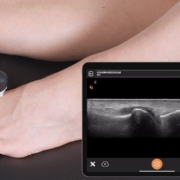
Diagnostic ultrasound imaging uses sound waves to create detailed images of soft tissues. Unlike X-rays, which only show bone, ultrasound allows healthcare providers to see the moving parts that support your activity. For example, it can show how tendons glide during shoulder movement or how a ligament responds when the ankle is stressed. This dynamic view helps identify injuries and areas at risk before they become more serious.

At Wall 2 Wall Sports & Rehab, we use a portable ultrasound device, which means we can perform these evaluations at your home or your office, getting you answers faster.  This real-time imaging allows us to see how your tissues move, stretch, and react, which is the key to understanding your pain or discomfort.

How It Supports Injury Prevention

Diagnostic ultrasound imaging isn’t just about diagnosing an existing problem—it also plays a role in preventing injuries. By visualizing how tissues respond during movement, therapists can:

  • Spot Early Changes – Detect inflammation, minor tears, or tissue irritation before they progress.

  • Identify Imbalances – Evaluate muscle and tendon function to find weaknesses or movement issues.

  • Guide Safer Training – Provide information to adjust exercise loads, mechanics, or recovery routines.

  • Track Healing Progress – Monitor how tissues recover over time to ensure safe return to activity.

This type of insight allows athletes, active adults, and those recovering from surgery to protect against setbacks. When small problems are addressed early, the risk of long-term damage decreases significantly.

Why It’s Different

Unlike many imaging tools, diagnostic ultrasound imaging is safe, non-invasive, and can be repeated without concern. It offers immediate feedback, meaning patients and therapists can see what’s happening inside the body during a single visit. This makes it an ideal tool for both diagnosis and ongoing monitoring throughout a rehabilitation or performance program.

By combining advanced imaging with tailored rehabilitation, diagnostic ultrasound helps bridge the gap between uncertainty and confident movement. Whether the goal is returning to sports, preventing re-injury, or maintaining an active lifestyle, this technology provides clarity that supports smarter, safer care.

Don’t wait for an injury to sideline you.  Let’s work together to keep you in the game!  Contact Wall 2 Wall Sports & Rehab today and schedule your appointment to get a clearer picture of your health.

Why Mobile Concierge Physical Therapy Isn’t Covered by Health Insurance

Mobile concierge physical therapy is changing how people receive care. Instead of driving to a crowded clinic, patients receive one-on-one physical therapy in their home, workplace, or gym. Sessions are longer, more personal, and focused entirely on results.

So why isn’t this type of care usually covered by health insurance? The answer comes down to how insurance companies are structured—and what they value.

Insurance Prioritizes Cost Control, Not Personalized Care

Traditional insurance-based physical therapy is built around volume. In most outpatient clinics, therapists treat multiple patients at once, rotate between tables, and follow strict time limits. This structure allows insurance companies to control costs and standardize billing.

Mobile concierge physical therapy flips that model.

At Wall 2 Wall Sports & Rehab, each session is one-on-one with a Doctor of Physical Therapy for the full hour or longer. There is no overlap, no aides, and no rushed care. That level of focus produces better outcomes—but it does not fit the insurance model designed around efficiency and volume billing.

Concierge Physical Therapy Operates Out-of-Network by Design

Many mobile physical therapists choose to work out-of-network or as cash-based providers. This decision allows them to:

  • Spend more time with each patient
  • Provide advanced services not always reimbursed by insurance
  • Eliminate restrictions on visit frequency and treatment methods
  • Focus on recovery instead of paperwork

Insurance companies place limits on treatment length, number of visits, and even which techniques can be used. Concierge physical therapy intentionally operates outside those limitations to deliver higher-quality, personalized care. As a result, insurance typically does not cover it—though patients may still be eligible for out-of-network reimbursement depending on their plan.

Insurance Covers “Medical Necessity,” Not Convenience or Value

Health insurance is designed to cover what it defines as medically necessary—not what is most convenient or effective for the patient. While physical therapy itself is often a covered benefit, the delivery method matters.

Mobile concierge physical therapy includes:

  • Therapist travel time
  • Extended session lengths
  • Flexible scheduling
  • Preventive care and performance-focused rehab
  • Direct access to your provider

These benefits dramatically improve outcomes, but insurance companies classify them as non-essential extras rather than necessities—even though many patients progress faster and need fewer total visits.

Why Many Patients Still Choose Mobile Physical Therapy

Patients who work with Wall 2 Wall Sports & Rehab often choose concierge care because they want:

  • Faster results
  • Personalized treatment plans
  • Zero time wasted driving or waiting
  • Consistent care from the same physical therapist
  • Freedom from insurance restrictions

When care is focused, uninterrupted, and built around your goals, progress happens more efficiently—even without insurance dictating your plan.

The Bottom Line

Mobile concierge physical therapy isn’t covered by health insurance because it prioritizes quality, time, and individualized care over volume and cost containment. While insurance-funded PT can help many people, concierge physical therapy offers a higher level of service for those who value results, convenience, and expert care.

Ready to Experience One-on-One Mobile Physical Therapy?

Wall 2 Wall Sports & Rehab provides in-home physical therapy, sports injury rehab, post-surgical rehab, dry needling, and diagnostic ultrasound throughout Glendale, Peoria, Surprise, and surrounding West Phoenix areas.

Call today or book your in-home physical therapy evaluation and experience what personalized, unrestricted care feels like—on your schedule, at your location.

Best Ways to Prevent Back Pain and Spine Issues

Back pain is one of the most common reasons people miss work, avoid exercise, or stop doing the activities they enjoy. The good news? Many back issues are preventable with the right habits and guidance. At Wall 2 Wall Sports & Rehab, we help patients across Glendale, Peoria, Surprise, and West Phoenix protect their spine and stay active through personalized, one-on-one mobile physical therapy.

Below are evidence-based strategies to help you prevent back pain and long-term spine problems.

  1. Build a Strong Core to Support Your Spine

Your core muscles—abs, lower back, hips, and pelvis—act like a natural brace for your spine. Weak core muscles force your back to work harder, increasing injury risk.

What helps:

  • Planks
  • Bridges
  • Controlled Pilates-style movements

A mobile physical therapist can tailor these exercises to your ability level and daily demands.

  1. Improve Your Posture at Work and Home

Poor posture is a major contributor to neck and back pain, especially for people who sit or drive for long hours.

Desk posture tips:

  • Feet flat on the floor
  • Screen at eye level
  • Lower back supported

Standing posture:

  • Weight evenly distributed
  • Avoid slouching or arching excessively

Posture training is a key part of our in-home physical therapy programs.

  1. Use Proper Lifting Mechanics

Improper lifting is a common cause of acute back injuries.

Always remember:

  • Bend at the hips and knees, not the waist
  • Keep the object close to your body
  • Avoid twisting while lifting

We teach real-life lifting strategies that apply to work, sports, and everyday tasks.

  1. Stay Active and Avoid Prolonged Sitting

Sitting for long periods stiffens joints and weakens muscles.

Helpful habits:

  • Stand or walk every 30–60 minutes
  • Prioritize low-impact activity like walking, biking, or swimming

Movement-based physical therapy helps restore mobility and circulation.

  1. Sleep in a Spine-Friendly Position

Poor sleep posture can irritate the spine night after night.

Best practices:

  • Mattress that supports natural spinal curves
  • Side sleeping with a pillow between the knees
  • Back sleeping with pillow support under knees

We often assess sleep positions during our in-home evaluations.

  1. Maintain a Healthy Body Weight

Excess weight—especially around the midsection—places extra stress on the lower back and spinal joints. Consistent movement and targeted exercise help reduce strain and improve endurance.

  1. Stretch Tight Muscles Regularly

Tight hips, hamstrings, and lower back muscles pull on the spine and limit movement.

Key areas to stretch:

  • Hamstrings
  • Hip flexors
  • Glutes and lumbar spine

A physical therapist ensures you stretch safely without aggravating pain.

  1. Address Back Pain Early

Ignoring back discomfort often leads to chronic pain and longer recovery times. Early physical therapy can identify movement faults, muscle imbalances, and joint restrictions before they worsen.

At Wall 2 Wall Sports & Rehab, we bring concierge, mobile physical therapy directly to your home—no insurance-driven limitations, no crowded clinics, and no rushed appointments.

Take Control of Your Back Health Today

If you’re dealing with back pain—or want to prevent future issues—professional guidance makes all the difference. Our one-on-one, in-home physical therapy helps active adults in Glendale, Peoria, Surprise, and West Phoenix move better, feel stronger, and stay pain-free.

Call Wall 2 Wall Sports & Rehab today to schedule your in-home back evaluation and start protecting your spine.