What Every Parent Should Know About Youth Baseball Injuries

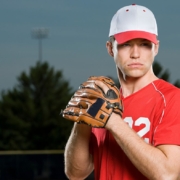
Baseball is one of America’s favorite sports, and in Arizona, young athletes spend nearly the entire year on the diamond. While baseball is often considered a low-contact sport, the repetitive demands of throwing, swinging, sprinting, and sliding place significant stress on growing bodies. At Wall 2 Wall Sports & Rehab, we help youth baseball players throughout Peoria, Glendale, Surprise, Scottsdale, and the greater Phoenix area recover from injuries and stay on the field through expert physical therapy and advanced diagnostic ultrasound imaging.

As a parent, understanding the warning signs of common baseball injuries can make the difference between a quick recovery and a season-ending problem.

The Most Common Youth Baseball Injuries

Young athletes are especially vulnerable because their bones, muscles, tendons, and growth plates are still developing. Some of the most common injuries we evaluate include:

Many of these injuries begin as minor soreness but gradually worsen if ignored.

Pain Is Never “Just Part of the Game”

One of the biggest misconceptions in youth sports is that soreness is simply something athletes must push through. While mild muscle fatigue after practice is normal, pain that continues during throwing, batting, or everyday activities should never be ignored.

Parents should pay attention if their athlete:

  • Complains of shoulder or elbow pain while throwing
  • Experiences decreased throwing velocity
  • Has reduced throwing accuracy
  • Avoids certain movements because of discomfort
  • Frequently shakes their arm after throwing
  • Develops swelling around a joint
  • Begins changing their throwing mechanics

These changes are often the body’s first warning signs that an injury is developing.

Why Overuse Is the Biggest Risk

Unlike traumatic injuries that happen in a single play, most baseball injuries develop gradually from repetitive stress.

Today’s athletes often:

  • Play multiple teams simultaneously
  • Participate in year-round baseball
  • Attend private lessons
  • Play tournament weekends
  • Skip adequate rest periods

Without sufficient recovery, tissues never fully heal between throwing sessions, increasing the risk of tendon injuries, ligament damage, and growth plate irritation.

Following pitch count guidelines, limiting consecutive throwing days, and taking several months away from overhead throwing each year can dramatically reduce injury risk.

Early Evaluation Prevents Bigger Problems

One of the greatest advantages parents have today is early injury assessment.

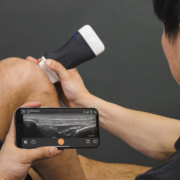
At Wall 2 Wall Sports & Rehab, Dr. Caleb Walls is a Board-Certified Sports Clinical Specialist (SCS), and one of the few Registered in Musculoskeletal Sonography (RMSK) clinicians in Arizona. Using portable diagnostic musculoskeletal ultrasound, we can evaluate many muscles, tendons, ligaments, and joints in real time during your appointment.

Unlike waiting weeks for advanced imaging, diagnostic ultrasound allows us to:

  • Visualize injured tendons and muscles immediately
  • Assess ligament integrity
  • Compare injured and healthy sides
  • Watch structures move dynamically during motion
  • Guide treatment decisions on the first visit

This often allows families to begin the appropriate treatment much sooner.

Physical Therapy Is More Than Rehabilitation

Many parents believe physical therapy only begins after surgery or a major injury. In reality, sports physical therapy is one of the best tools for preventing injuries before they occur.

Our comprehensive evaluations assess:

  • Throwing mechanics
  • Shoulder mobility
  • Rotational strength
  • Core stability
  • Hip mobility
  • Balance
  • Lower-body power
  • Functional movement patterns

By identifying limitations early, we can address small problems before they become season-ending injuries.

Mobile Sports Physical Therapy That Comes to You

Busy schedules shouldn’t prevent young athletes from receiving expert care.

Wall 2 Wall Sports & Rehab provides concierge mobile physical therapy throughout the Phoenix metro area. We bring professional sports rehabilitation, diagnostic ultrasound imaging, injury evaluations, manual therapy, and customized exercise programs directly to your home, school, gym, or athletic facility.

This one-on-one approach allows us to spend more time with each athlete, communicate with parents, and create individualized treatment plans without the limitations of traditional outpatient clinics.

Keep Your Athlete Healthy All Season

Youth baseball should build confidence, friendships, and athletic development—not chronic pain.

If your child is experiencing shoulder pain, elbow pain, throwing discomfort, or any sports-related injury, early evaluation is the best investment you can make in their long-term health.

At Wall 2 Wall Sports & Rehab, we combine advanced diagnostic ultrasound imaging with expert sports physical therapy to accurately identify injuries and create personalized recovery plans that get athletes back to doing what they love safely and confidently.

Don’t wait until a minor ache becomes a major injury. Early treatment leads to faster recovery, better performance, and healthier athletes for years to come.

Why Does My Shoulder Hurt When I Reach Overhead?

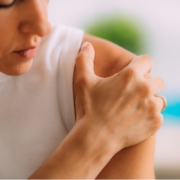
Have you ever reached into a cabinet, thrown a ball, lifted weights, or simply reached overhead only to feel a sharp pain in your shoulder? You’re not alone. Shoulder pain during overhead movement is one of the most common complaints we see at Wall 2 Wall Sports & Rehab. Whether you’re an athlete, golfer, CrossFit enthusiast, weekend warrior, or simply trying to stay active, shoulder pain can quickly limit your ability to do the things you enjoy.

The good news? Pain with overhead reaching is usually treatable—but only if you identify the true cause.

Why Does My Shoulder Hurt When I Lift My Arm?

The shoulder is the most mobile joint in the body, allowing nearly 360 degrees of movement. That incredible mobility also makes it vulnerable to injury. Pain during overhead activities often occurs because the muscles, tendons, ligaments, or joint structures aren’t working together properly.

Some of the most common causes include:

  • Rotator cuff tendinitis or tears
  • Shoulder impingement syndrome
  • Shoulder bursitis
  • Labral injuries (SLAP tears)
  • Biceps tendon irritation
  • Frozen shoulder (adhesive capsulitis)
  • Shoulder instability
  • Arthritis of the shoulder joint
  • Poor shoulder blade (scapular) mechanics
  • Neck conditions referring pain into the shoulder

While these conditions may produce similar symptoms, they require very different treatment approaches. That’s why obtaining the correct diagnosis is critical.

Not All Shoulder Pain Is the Same

Many people assume shoulder pain is simply “inflammation” or “getting older.” Unfortunately, treating every shoulder the same can delay recovery.

For example:

  • A rotator cuff tear requires a different rehabilitation program than shoulder impingement.
  • A labral injury often presents differently than bursitis.
  • Pain originating from the neck can mimic a shoulder injury entirely.

Without a comprehensive evaluation, it’s impossible to know what’s truly causing your symptoms.

The Advantage of Diagnostic Ultrasound Imaging

At Wall 2 Wall Sports & Rehab, we utilize diagnostic musculoskeletal ultrasound as part of our comprehensive shoulder evaluations.

Unlike traditional imaging that may require weeks of waiting, diagnostic ultrasound allows us to visualize many soft tissue structures in real time during your appointment.

Diagnostic ultrasound can help evaluate:

  • Rotator cuff tendons
  • Biceps tendon
  • Bursa inflammation
  • Muscle injuries
  • Partial tendon tears
  • Dynamic shoulder movement during overhead activity

Because ultrasound allows us to watch tissues move while you move your arm, we often identify problems that static imaging alone may miss.

This technology helps us create a personalized treatment plan based on your actual injury—not just your symptoms.

Why Early Treatment Matters

Ignoring shoulder pain rarely makes it disappear. Continuing to lift, throw, golf, swim, or exercise through pain can allow small injuries to become much larger problems.

Early intervention often leads to:

  • Faster recovery
  • Less pain
  • Improved strength
  • Better shoulder mobility
  • Reduced need for injections
  • Lower likelihood of surgery

The sooner the correct diagnosis is made, the sooner treatment can begin.

Our Mobile Physical Therapy Difference

Wall 2 Wall Sports & Rehab provides concierge mobile physical therapy throughout Peoria, Glendale, Surprise, Scottsdale, North Phoenix, Goodyear, Avondale, and surrounding West Valley communities.

Instead of spending time traveling to a clinic, we bring expert orthopedic care directly to your home, office, or gym.

Our comprehensive shoulder evaluations may include:

  • Doctor of Physical Therapy evaluation
  • Diagnostic musculoskeletal ultrasound imaging
  • Movement analysis
  • Strength testing
  • Range of motion assessment
  • Personalized rehabilitation program
  • Manual therapy
  • Dry needling (when appropriate)
  • Return-to-sport and return-to-work planning

Our goal isn’t simply to reduce pain—it’s to identify the source of the problem so you can move confidently again.

Don’t Ignore Shoulder Pain

If your shoulder hurts every time you reach overhead, lift weights, serve a tennis ball, swing a golf club, or throw a baseball, don’t wait until the problem becomes worse.

At Wall 2 Wall Sports & Rehab, our advanced diagnostic approach combines expert physical therapy with real-time diagnostic ultrasound to provide answers quickly and create an individualized recovery plan.

Schedule your shoulder evaluation today and discover why athletes and active adults throughout the Phoenix West Valley trust Wall 2 Wall Sports & Rehab for expert shoulder pain diagnosis and treatment.

Pain-Free Pickleball: Stay in the Game

Pickleball is one of the fastest-growing sports—and it’s easy to see why. It’s fun, competitive, and accessible for all ages. But as participation increases, so do injuries that can keep players off the court.

At Wall 2 Wall Sports & Rehab, we specialize in mobile physical therapy and help pickleball players stay active, recover faster, and perform at a higher level. Our April special, Pain-Free Pickleball: Staying in the Game, is designed to help you prevent injuries and get back to playing without limitations.

Why Pickleball Players Get Injured

While pickleball is often considered low-impact, it places repetitive stress on the body through quick lateral movements, sudden stops, and rotational swings. Without proper strength, mobility, and recovery, this can lead to overuse injuries and pain.

The most common areas we treat for pickleball injury include the shoulder, elbow, knee, and ankle.

Shoulder Pain from Pickleball

The shoulder is heavily involved in serves, overhead shots, and repeated swinging motions. Limited mobility or poor mechanics can lead to irritation of the rotator cuff.

Common symptoms include:

  • Pain with overhead movements
  • Weakness during serves
  • Tightness after playing

Our sports physical therapy focuses on restoring shoulder mobility, improving strength, and optimizing movement patterns to reduce strain and improve performance.

 Elbow Pain (“Pickleball Elbow”)

Repetitive gripping and swinging often lead to lateral elbow pain, similar to tennis elbow. This is one of the most common conditions we see in these types of injuries. 

Common symptoms include:

  • Pain on the outside of the elbow
  • Weak grip strength
  • Discomfort during or after play

With targeted physical therapy, we address forearm strength, soft tissue restrictions, and mechanics to relieve pain and prevent recurrence.

Knee Pain and Instability

Frequent stop-and-go movements place significant stress on the knee joint, especially if there are underlying strength or mobility deficits.

Common symptoms include:

  • Pain with squatting or lunging
  • Swelling after activity
  • Stiffness during movement

When it comes to physical therapy, we focus on lower body strength, joint stability, and movement efficiency to reduce knee strain and improve confidence on the court.

Ankle Sprains and Instability

Quick directional changes make the ankle vulnerable to sprains, especially in athletes lacking proper balance and stability.

Common symptoms include:

  • Rolling the ankle during play
  • Feeling unstable when cutting or pivoting
  • Recurrent ankle injuries

We incorporate balance training, proprioceptive work, and sport-specific drills to keep you moving safely and effectively.

 Why Choose Wall 2 Wall Sports & Rehab?

At Wall 2 Wall Sports & Rehab, we offer a higher level of care through concierge physical therapy in West Phoenix. That means no crowded clinics, no rushed appointments, and no insurance limitations.

Our approach includes:

  • 90-minute one-on-one evaluations
  • Diagnostic ultrasound for injury assessment 
  • Hands-on treatment including dry needling, cupping, and soft tissue work
  • Customized strength and mobility programs
  • Treatment delivered directly to your home, gym, or court

We help active adults and athletes in get back to doing what they love—without pain holding them back.

 Take Advantage of Our April Pickleball Special

If you’re dealing with pain or want to prevent injuries before they start, now is the time to act. Our $30 off Pickleball Injury Evaluation special is built specifically for athletes who want to stay on the court and perform at their best.

Don’t wait until pain sidelines you.

Book your Mobile Physical Therapy Evaluation  today and experience the difference of personalized, one-on-one care with Wall 2 Wall Sports & Rehab.

Why Isn’t My Injury Healing? Getting a Real Diagnosis in the West Valley

If you’ve been sidelined by an injury for weeks or months, you know how frustrating the “waiting game” can be. You’ve tried rest, maybe some general exercises, or even a round of physical therapy in a busy clinic, but the pain is still there.

Often, the reason an injury won’t heal isn’t a lack of effort—it’s a misdiagnosis. At Wall 2 Wall Sports & Rehab, we believe that to fix the problem, we first have to find it. As a mobile, concierge physical therapy provider serving Glendale, Peoria, Litchfield Park, Surprise, Avondale, and Goodyear, we bring elite-level diagnostics directly to your door.

The Big Three: Joint, Nerve, or Muscle?

Pain is a great messenger but a poor navigator. It tells you that something is wrong, but it isn’t always clear about what is wrong. To get you back to the sports and activities you love, we perform a differential diagnosis to distinguish between the three big players:

  • Joint Pain: This usually feels deep and “achy.” It often hurts more when you put weight on it. If your knee feels stiff in the morning or your shoulder pinches when you reach overhead, the joint (or the cartilage and ligaments) is likely involved.
  • Nerve Pain: This is often described as “electric.” You might feel burning, tingling, or “pins and needles.” Nerve pain is tricky because the source might be in your neck or back, even if you feel the pain in your hand or foot.
  • Muscle Pain: This is usually a duller, broader ache that feels tender to the touch. If you have a true muscle strain, the pain usually flares up specifically when you try to use that muscle.

Why Standard Treatments Often Fail

Many West Valley patients come to us after “failing” traditional physical therapy. Often, they were treated for a muscle strain when they actually had a nerve entrapment, or they were told they had “arthritis” when the real issue was a chronic tendon tear.

Without a precise diagnosis, treatment is just guesswork. If you treat a nerve problem with heavy muscle stretching, you might actually make the inflammation worse. This is why our concierge approach is different: we take the time to look at the whole picture.

Seeing the Solution: On-Site Diagnostic Ultrasound

The biggest hurdle in traditional medicine is the “wait and see” approach or relying on an old MRI. Wall 2 Wall Sports & Rehab changes the game by providing Diagnostic Ultrasound imaging on-site during our mobile visits.

Unlike a static X-ray or MRI, diagnostic ultrasound allows us to see your tissues in real-time motion. We can watch how your tendon glides or see if a nerve is being compressed while you move. This immediate feedback allows us to:

  1. Confirm the exact source of your pain.
  2. Provide a targeted treatment protocol right there in your home or office.
  3. Track your healing progress over time.

Concierge Care in the West Valley

You don’t have to drive across town to sit in a waiting room. Whether you are a golfer in Litchfield Park, a cross-fitter in Peoria, or a busy parent in Goodyear, we bring high-tech rehab to you.

Stop wondering what is really hurting and start getting answers. Contact Wall 2 Wall Sports & Rehab today to schedule your appointment today. Let’s stop the guesswork and get you back to peak performance with a diagnosis you can trust.

Managing Pain During the Holidays: How to Stay Active, Comfortable, and In Control

The holiday season should feel energizing—time with family, travel, winter activities, and a chance to reset before the new year. But for many people, the holidays also come with a spike in pain. Between long travel days, extra lifting, busy schedules, disrupted routines, and colder weather, aches and injuries tend to resurface right when you want to feel your best.

If pain has been creeping in, you’re not alone—and you don’t have to push through it. With the right approach, you can manage pain effectively and keep up with everything the season brings. As a mobile, concierge physical therapy practice serving Glendale, Peoria, Surprise, and the West Phoenix area, Wall 2 Wall Sports & Rehab helps patients stay active and pain-free all year, including during the busiest months.

Here’s what you need to know to protect your body, prevent flare-ups, and enjoy the holidays without pain slowing you down.

Why Pain Gets Worse Around the Holidays

Several factors contribute to increased pain this time of year:

1. Travel Stress and Prolonged Sitting

Whether you’re driving to family events or flying out of Sky Harbor, long periods of sitting place extra pressure on your spine, hips, and knees. Stiffness builds quickly, especially if you already have a lingering injury.

2. Extra Lifting and Physical Demands

Holidays mean carrying luggage, hauling boxes, moving furniture, and standing for long stretches while shopping or cooking. These repetitive tasks often aggravate the shoulder, low back, and neck.

3. Cold Weather

While Phoenix stays warmer than most places, cooler temperatures lead to reduced blood flow and stiffer muscles. This can make chronic pain or older injuries feel more noticeable.

4. Disrupted Routines

Workouts, stretching habits, sleep schedules, and even hydration patterns get thrown off. When your normal routine disappears, your body loses the consistency it relies on.

5. Unresolved Past Injuries

Old ankle sprains, shoulder strains, or back injuries often flare when demands increase. The holidays tend to expose the areas you’ve been “getting by” with.

Why Ignoring Pain Makes the Problem Worse

Many people assume they can wait until January to deal with pain. Unfortunately, that’s when small problems turn into bigger setbacks.

When you push through pain:

  • Your movement patterns change
  • Muscles compensate for the injured area
  • Inflammation increases
  • Recovery takes longer
  • You lose strength or mobility you’ve worked hard to build

The earlier you address pain, the easier and faster it is to resolve—especially with targeted, one-on-one treatment.

How to Manage Pain Effectively During the Holidays

Here are simple, evidence-based strategies to stay ahead of pain no matter how busy the season becomes.

1. Break Up Long Periods of Sitting

Set a timer every 45–60 minutes when traveling or working at a desk. Stand up, stretch your hips and back, and move for 1–2 minutes. Even small consistency protects against stiffness.

2. Warm Up Before Lifting or Activity

Before decorating, shopping, or golfing, spend 5 minutes waking up your muscles:

  • Gentle shoulder rolls
  • Hip and low back mobility
  • Light marching or mini-squats

This prepares your joints for the extra holiday workload.

3. Use Smart Lifting Mechanics

Bend at the hips and knees, keep items close to your body, and avoid twisting. Small adjustments prevent unnecessary strain on the spine and shoulders.

4. Prioritize Hydration

Hydration decreases muscle tension and improves joint mobility. Aim for steady intake throughout the day—especially during travel.

5. Keep Your Body Moving

Even short walks, mobility routines, or simple home exercises help your body handle seasonal stress. Motion is one of the most effective ways to reduce pain.

6. Address Pain Early

If something feels off, don’t wait. Early intervention prevents a mild irritation from becoming a holiday-ruining injury.

How Mobile Physical Therapy Helps You Stay Pain-Free This Season

Wall 2 Wall Sports & Rehab brings one-on-one, concierge physical therapy directly to your home, workplace, or gym anywhere in Glendale, Peoria, Surprise, North Phoenix, Goodyear, or Avondale.

Because we come to you, you don’t lose time driving to a clinic, waiting in a lobby, or squeezing into a rushed appointment. Our 90-minute evaluations and 60-minute follow-ups allow for deeper, more personalized care that’s actually designed to solve your problem—not simply manage symptoms.

Using advanced diagnostics, including in-home diagnostic ultrasound imaging, dry needling, soft tissue mobilization, joint work, and corrective exercise progression, we help patients reduce pain quickly and return to the activities they love.

Enjoy the Holidays Without Pain Slowing You Down

You deserve a season filled with energy—not discomfort.

If you’re dealing with pain right now, or want to prevent a flare-up before travel or activity increases, mobile physical therapy can make a major difference. Get the focused, expert care you need at your convenience.

Special Holiday Offer

Get $25 off your first mobile PT session when you schedule your in-home evaluation before December 31st, 2025.

Take control of your pain today so you can truly enjoy the weeks ahead.

Schedule your in-home evaluation now and start moving pain-free.


Proven Ways To Prevent Shoulder Pain This Season

As fall sports season kicks off in the Phoenix area, athletes of all ages are getting back into football, golf, pickleball, tennis, and more. While the excitement is high, so is the risk for one of the most common sports injuries — shoulder problems.

From rotator cuff strains to overuse injuries, shoulder pain can sneak up on you quickly, especially when you ramp up activity after a slower summer. The good news? Most shoulder injuries are preventable with the right preparation and early intervention.

Read more