Dry Needling: How This Modern Physical Therapy Technique Can Speed Your Recovery

If you’ve been dealing with muscle pain, tightness, or an injury that just won’t go away, you’ve probably heard about dry needling. Many athletes, weekend warriors, golfers, runners, and active adults use this treatment to reduce pain and restore movement. However, many people still wonder what dry needling actually is and how it works.

At Wall 2 Wall Sports & Rehab, we use dry needling as one part of a comprehensive treatment plan to help patients recover faster, move better, and return to the activities they love. Rather than masking symptoms, our goal is to identify and treat the source of your pain.

What Is Dry Needling?

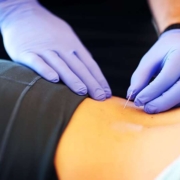
Dry needling is an advanced physical therapy technique that uses very thin, sterile, single-use filament needles to address pain, movement restrictions, muscle dysfunction, and impaired tissue mobility. Because the needles do not deliver medication or inject any substance into the body, the technique is referred to as “dry” needling.

In a physical therapy setting, dry needling is not limited to treating specific trigger points. Instead, a physical therapist uses a detailed understanding of anatomy, biomechanics, and movement patterns to determine which muscles, tendons, connective tissues, or neuromuscular structures may be contributing to pain or dysfunction. The goal is to influence the body’s neuromuscular system, improve tissue health, and restore more efficient movement.

By stimulating targeted tissues, dry needling can help reduce pain, improve circulation, decrease muscle guarding, enhance mobility, and promote a more normal movement pattern. As a result, patients often experience improved flexibility, better muscle performance, and faster recovery from injury. When combined with corrective exercise, manual therapy, and movement retraining, dry needling serves as a valuable tool within a comprehensive rehabilitation program designed to address the underlying cause of pain rather than simply managing symptoms.

How Is Dry Needling Different From Acupuncture?

Although both treatments use similar needles, they have very different goals.

Acupuncture comes from Traditional Chinese Medicine and focuses on balancing the body’s energy pathways, known as meridians.

Dry needling, on the other hand, is based on modern anatomy, neuroscience, and evidence-based physical therapy. Physical therapists use their knowledge of muscles, tendons, nerves, and movement patterns to target specific tissues contributing to pain or dysfunction.

Why Do Physical Therapists Recommend Dry Needling?

Many injuries create muscle tightness, protective muscle guarding, or trigger points that limit recovery. Even after the injured tissue begins healing, these muscle restrictions can continue causing pain and limiting movement.

Dry needling helps interrupt this cycle.

As a result, physical therapists commonly recommend dry needling for:

Additionally, athletes often choose dry needling to improve muscle recovery after intense training or competition.

What Are the Benefits of Dry Needling?

When performed by a trained physical therapist, dry needling offers several important benefits.

These include:

  • Reduces muscle pain
  • Decreases muscle tension
  • Improves flexibility and mobility
  • Restores normal muscle activation
  • Increases blood circulation
  • Improves joint movement
  • Speeds the healing process
  • Reduces protective muscle guarding
  • Enhances athletic performance
  • Helps prevent recurring injuries

Most importantly, dry needling works best when combined with corrective exercises, manual therapy, and movement retraining. Instead of providing only temporary relief, this comprehensive approach addresses the underlying cause of the problem.

What Does Dry Needling Feel Like?

Many patients feel very little when the needle enters the skin because the needles are much thinner than those used for injections or blood draws.

However, once the needle reaches a trigger point, you may experience a quick muscle twitch or brief cramping sensation. Although this feeling lasts only a few seconds, it often indicates the targeted muscle is responding appropriately.

After treatment, it’s common to feel mild soreness for 24 to 48 hours, similar to the soreness you might experience after a challenging workout. Fortunately, most patients notice improved movement and decreased pain shortly afterward.

Is Dry Needling Safe?

Yes. Dry needling is considered very safe when performed by a properly trained and licensed physical therapist using sterile, single-use needles.

Before treatment, your physical therapist performs a thorough examination to determine whether dry needling is appropriate for your condition. Certain medical conditions, medications, or patient preferences may make other treatment options more appropriate.

Patient safety always remains our highest priority.

Why Choose Wall 2 Wall Sports & Rehab?

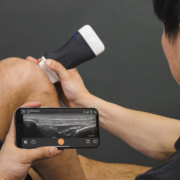
At Wall 2 Wall Sports & Rehab, dry needling is never used as a standalone treatment. Instead, we combine it with advanced orthopedic evaluation, hands-on manual therapy, corrective exercise, movement analysis, and, when appropriate, diagnostic musculoskeletal ultrasound imaging to identify the true source of your pain.

As a mobile concierge physical therapy practice serving Phoenix, Glendale, Peoria, Scottsdale, Surprise, Goodyear, and the surrounding West Valley, we bring expert care directly to your home, office, gym, or athletic facility. This one-on-one approach allows us to spend more time understanding your injury and developing a personalized treatment plan designed around your goals.

Whether you’re recovering from a sports injury, struggling with chronic muscle tightness, or looking to improve your performance, our team is committed to helping you recover safely and efficiently.

Ready to Move Better?

Pain doesn’t have to limit your lifestyle. If muscle tightness, recurring injuries, or persistent pain are keeping you from doing what you love, dry needling may be an effective part of your recovery.

Contact Wall 2 Wall Sports & Rehab today to schedule your comprehensive physical therapy evaluation and discover how dry needling can help you recover faster, move with confidence, and get back to living an active life.

Pain-Free Pickleball: Stay in the Game

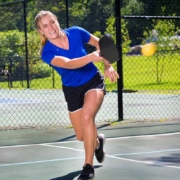
Pickleball is one of the fastest-growing sports—and it’s easy to see why. It’s fun, competitive, and accessible for all ages. But as participation increases, so do injuries that can keep players off the court.

At Wall 2 Wall Sports & Rehab, we specialize in mobile physical therapy and help pickleball players stay active, recover faster, and perform at a higher level. Our April special, Pain-Free Pickleball: Staying in the Game, is designed to help you prevent injuries and get back to playing without limitations.

Why Pickleball Players Get Injured

While pickleball is often considered low-impact, it places repetitive stress on the body through quick lateral movements, sudden stops, and rotational swings. Without proper strength, mobility, and recovery, this can lead to overuse injuries and pain.

The most common areas we treat for pickleball injury include the shoulder, elbow, knee, and ankle.

Shoulder Pain from Pickleball

The shoulder is heavily involved in serves, overhead shots, and repeated swinging motions. Limited mobility or poor mechanics can lead to irritation of the rotator cuff.

Common symptoms include:

  • Pain with overhead movements
  • Weakness during serves
  • Tightness after playing

Our sports physical therapy focuses on restoring shoulder mobility, improving strength, and optimizing movement patterns to reduce strain and improve performance.

 Elbow Pain (“Pickleball Elbow”)

Repetitive gripping and swinging often lead to lateral elbow pain, similar to tennis elbow. This is one of the most common conditions we see in these types of injuries. 

Common symptoms include:

  • Pain on the outside of the elbow
  • Weak grip strength
  • Discomfort during or after play

With targeted physical therapy, we address forearm strength, soft tissue restrictions, and mechanics to relieve pain and prevent recurrence.

Knee Pain and Instability

Frequent stop-and-go movements place significant stress on the knee joint, especially if there are underlying strength or mobility deficits.

Common symptoms include:

  • Pain with squatting or lunging
  • Swelling after activity
  • Stiffness during movement

When it comes to physical therapy, we focus on lower body strength, joint stability, and movement efficiency to reduce knee strain and improve confidence on the court.

Ankle Sprains and Instability

Quick directional changes make the ankle vulnerable to sprains, especially in athletes lacking proper balance and stability.

Common symptoms include:

  • Rolling the ankle during play
  • Feeling unstable when cutting or pivoting
  • Recurrent ankle injuries

We incorporate balance training, proprioceptive work, and sport-specific drills to keep you moving safely and effectively.

 Why Choose Wall 2 Wall Sports & Rehab?

At Wall 2 Wall Sports & Rehab, we offer a higher level of care through concierge physical therapy in West Phoenix. That means no crowded clinics, no rushed appointments, and no insurance limitations.

Our approach includes:

  • 90-minute one-on-one evaluations
  • Diagnostic ultrasound for injury assessment 
  • Hands-on treatment including dry needling, cupping, and soft tissue work
  • Customized strength and mobility programs
  • Treatment delivered directly to your home, gym, or court

We help active adults and athletes in get back to doing what they love—without pain holding them back.

 Take Advantage of Our April Pickleball Special

If you’re dealing with pain or want to prevent injuries before they start, now is the time to act. Our $30 off Pickleball Injury Evaluation special is built specifically for athletes who want to stay on the court and perform at their best.

Don’t wait until pain sidelines you.

Book your Mobile Physical Therapy Evaluation  today and experience the difference of personalized, one-on-one care with Wall 2 Wall Sports & Rehab.

Managing Pain During the Holidays: How to Stay Active, Comfortable, and In Control

The holiday season should feel energizing—time with family, travel, winter activities, and a chance to reset before the new year. But for many people, the holidays also come with a spike in pain. Between long travel days, extra lifting, busy schedules, disrupted routines, and colder weather, aches and injuries tend to resurface right when you want to feel your best.

If pain has been creeping in, you’re not alone—and you don’t have to push through it. With the right approach, you can manage pain effectively and keep up with everything the season brings. As a mobile, concierge physical therapy practice serving Glendale, Peoria, Surprise, and the West Phoenix area, Wall 2 Wall Sports & Rehab helps patients stay active and pain-free all year, including during the busiest months.

Here’s what you need to know to protect your body, prevent flare-ups, and enjoy the holidays without pain slowing you down.

Why Pain Gets Worse Around the Holidays

Several factors contribute to increased pain this time of year:

1. Travel Stress and Prolonged Sitting

Whether you’re driving to family events or flying out of Sky Harbor, long periods of sitting place extra pressure on your spine, hips, and knees. Stiffness builds quickly, especially if you already have a lingering injury.

2. Extra Lifting and Physical Demands

Holidays mean carrying luggage, hauling boxes, moving furniture, and standing for long stretches while shopping or cooking. These repetitive tasks often aggravate the shoulder, low back, and neck.

3. Cold Weather

While Phoenix stays warmer than most places, cooler temperatures lead to reduced blood flow and stiffer muscles. This can make chronic pain or older injuries feel more noticeable.

4. Disrupted Routines

Workouts, stretching habits, sleep schedules, and even hydration patterns get thrown off. When your normal routine disappears, your body loses the consistency it relies on.

5. Unresolved Past Injuries

Old ankle sprains, shoulder strains, or back injuries often flare when demands increase. The holidays tend to expose the areas you’ve been “getting by” with.

Why Ignoring Pain Makes the Problem Worse

Many people assume they can wait until January to deal with pain. Unfortunately, that’s when small problems turn into bigger setbacks.

When you push through pain:

  • Your movement patterns change
  • Muscles compensate for the injured area
  • Inflammation increases
  • Recovery takes longer
  • You lose strength or mobility you’ve worked hard to build

The earlier you address pain, the easier and faster it is to resolve—especially with targeted, one-on-one treatment.

How to Manage Pain Effectively During the Holidays

Here are simple, evidence-based strategies to stay ahead of pain no matter how busy the season becomes.

1. Break Up Long Periods of Sitting

Set a timer every 45–60 minutes when traveling or working at a desk. Stand up, stretch your hips and back, and move for 1–2 minutes. Even small consistency protects against stiffness.

2. Warm Up Before Lifting or Activity

Before decorating, shopping, or golfing, spend 5 minutes waking up your muscles:

  • Gentle shoulder rolls
  • Hip and low back mobility
  • Light marching or mini-squats

This prepares your joints for the extra holiday workload.

3. Use Smart Lifting Mechanics

Bend at the hips and knees, keep items close to your body, and avoid twisting. Small adjustments prevent unnecessary strain on the spine and shoulders.

4. Prioritize Hydration

Hydration decreases muscle tension and improves joint mobility. Aim for steady intake throughout the day—especially during travel.

5. Keep Your Body Moving

Even short walks, mobility routines, or simple home exercises help your body handle seasonal stress. Motion is one of the most effective ways to reduce pain.

6. Address Pain Early

If something feels off, don’t wait. Early intervention prevents a mild irritation from becoming a holiday-ruining injury.

How Mobile Physical Therapy Helps You Stay Pain-Free This Season

Wall 2 Wall Sports & Rehab brings one-on-one, concierge physical therapy directly to your home, workplace, or gym anywhere in Glendale, Peoria, Surprise, North Phoenix, Goodyear, or Avondale.

Because we come to you, you don’t lose time driving to a clinic, waiting in a lobby, or squeezing into a rushed appointment. Our 90-minute evaluations and 60-minute follow-ups allow for deeper, more personalized care that’s actually designed to solve your problem—not simply manage symptoms.

Using advanced diagnostics, including in-home diagnostic ultrasound imaging, dry needling, soft tissue mobilization, joint work, and corrective exercise progression, we help patients reduce pain quickly and return to the activities they love.

Enjoy the Holidays Without Pain Slowing You Down

You deserve a season filled with energy—not discomfort.

If you’re dealing with pain right now, or want to prevent a flare-up before travel or activity increases, mobile physical therapy can make a major difference. Get the focused, expert care you need at your convenience.

Special Holiday Offer

Get $25 off your first mobile PT session when you schedule your in-home evaluation before December 31st, 2025.

Take control of your pain today so you can truly enjoy the weeks ahead.

Schedule your in-home evaluation now and start moving pain-free.