
Why Dad’s Back Isn’t Going To Fix Itself – And What Actually Works

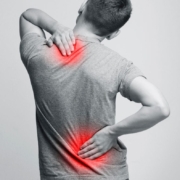
Father’s Day is coming. Dad’s been wincing every time he stands up from the couch. He says it’s “just his back.” He’s been saying that for three years.

Here’s the hard truth: back pain doesn’t fix itself. In fact, ignoring it almost always makes things worse. If the man in your life is pushing through lower back pain — or if you’re that man — this one’s for you.

Why Back Pain Hits Men Over 50 So Hard

The spine is one of the hardest-working structures in the human body. It supports your weight, absorbs shock, and allows you to bend, twist, and move all day long. By the time a man reaches 50, those years of wear start to show up in a big way.

Here’s what’s happening inside the spine as we age:

Discs dry out and shrink. The discs between your vertebrae act like little shock absorbers. They’re mostly made of water. As you get older, they lose that fluid, become thinner, and are much more likely to bulge or herniate. A herniated disc can press on nearby nerves and cause pain that shoots down the leg — a condition known as sciatica.

Muscles weaken without use. The muscles that support your spine — especially the deep core muscles — tend to get weaker with age, especially in men who sit for long hours at work. When these muscles can’t do their job, the spine takes on more stress than it should.

Arthritis sets in. Osteoarthritis in the spine, also called spinal stenosis when it narrows the spinal canal, is extremely common in men over 50. It can cause stiffness, aching, and nerve pain that builds slowly over time.

The “Wait and See” Trap

Most men ignore back pain for way too long. They think rest will fix it, or they take ibuprofen and push through it. And sometimes the pain does quiet down for a while — which makes it easy to believe everything is fine.

But here’s the problem: the underlying issue hasn’t gone away. Weak muscles are still weak. A damaged disc is still damaged. And the longer these problems go without proper treatment, the harder they are to correct. What starts as occasional stiffness can turn into chronic pain that limits your daily life.

What Actually Works

The good news is that most back problems — even serious ones — respond very well to physical therapy. You don’t have to live with this pain, and in most cases, surgery isn’t necessary.

A qualified physical therapist will:

  • Find the real cause of your pain — not just treat the symptoms
  • Build a targeted treatment plan — using hands-on therapy, guided exercises, and movement retraining
  • Strengthen the muscles that protect your spine so the injury doesn’t keep coming back
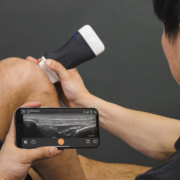
  • Use advanced tools like diagnostic ultrasound to see exactly what’s going on in the tissue

At Wall 2 Wall Sports & Rehab, Dr. Caleb Walls brings this level of expert care directly to you. As a Doctor of Physical Therapy and Board Certified Sports Specialist, Dr. Walls trained with the Steadman Hawkins Orthopedic group — one of the most respected sports medicine programs in the country. He understands how to treat back injuries in active men who want to stay active.

You Shouldn’t Have to Drive to Get Better

One of the biggest reasons men put off physical therapy is inconvenience. Scheduling clinic visits around work, traffic, and family life is a hassle. That’s exactly why Wall 2 Wall Sports & Rehab is mobile — we come to you.

Serving Phoenix, Scottsdale, Glendale, Peoria, and Surprise, Dr. Walls delivers one-on-one, personalized physical therapy at your home or workplace. No waiting rooms. No rushed appointments. Just focused care designed around your goals.

This Father’s Day, Give the Gift of Pain-Free Living

Dad’s back isn’t going to fix itself. But with the right treatment, it doesn’t have to hold him back either.

Ready to stop managing the pain and start fixing it? Contact Wall 2 Wall Sports & Rehab today to schedule your first visit. Dr. Walls will come to you, assess what’s really going on, and build a plan to get you moving again — the right way.

Book your appointment today at Wall 2 Wall Sports & Rehab. Because feeling better shouldn’t have to wait.

Why Isn’t My Injury Healing? Getting a Real Diagnosis in the West Valley

If you’ve been sidelined by an injury for weeks or months, you know how frustrating the “waiting game” can be. You’ve tried rest, maybe some general exercises, or even a round of physical therapy in a busy clinic, but the pain is still there.

Often, the reason an injury won’t heal isn’t a lack of effort—it’s a misdiagnosis. At Wall 2 Wall Sports & Rehab, we believe that to fix the problem, we first have to find it. As a mobile, concierge physical therapy provider serving Glendale, Peoria, Litchfield Park, Surprise, Avondale, and Goodyear, we bring elite-level diagnostics directly to your door.

The Big Three: Joint, Nerve, or Muscle?

Pain is a great messenger but a poor navigator. It tells you that something is wrong, but it isn’t always clear about what is wrong. To get you back to the sports and activities you love, we perform a differential diagnosis to distinguish between the three big players:

  • Joint Pain: This usually feels deep and “achy.” It often hurts more when you put weight on it. If your knee feels stiff in the morning or your shoulder pinches when you reach overhead, the joint (or the cartilage and ligaments) is likely involved.
  • Nerve Pain: This is often described as “electric.” You might feel burning, tingling, or “pins and needles.” Nerve pain is tricky because the source might be in your neck or back, even if you feel the pain in your hand or foot.
  • Muscle Pain: This is usually a duller, broader ache that feels tender to the touch. If you have a true muscle strain, the pain usually flares up specifically when you try to use that muscle.

Why Standard Treatments Often Fail

Many West Valley patients come to us after “failing” traditional physical therapy. Often, they were treated for a muscle strain when they actually had a nerve entrapment, or they were told they had “arthritis” when the real issue was a chronic tendon tear.

Without a precise diagnosis, treatment is just guesswork. If you treat a nerve problem with heavy muscle stretching, you might actually make the inflammation worse. This is why our concierge approach is different: we take the time to look at the whole picture.

Seeing the Solution: On-Site Diagnostic Ultrasound

The biggest hurdle in traditional medicine is the “wait and see” approach or relying on an old MRI. Wall 2 Wall Sports & Rehab changes the game by providing Diagnostic Ultrasound imaging on-site during our mobile visits.

Unlike a static X-ray or MRI, diagnostic ultrasound allows us to see your tissues in real-time motion. We can watch how your tendon glides or see if a nerve is being compressed while you move. This immediate feedback allows us to:

  1. Confirm the exact source of your pain.
  2. Provide a targeted treatment protocol right there in your home or office.
  3. Track your healing progress over time.

Concierge Care in the West Valley

You don’t have to drive across town to sit in a waiting room. Whether you are a golfer in Litchfield Park, a cross-fitter in Peoria, or a busy parent in Goodyear, we bring high-tech rehab to you.

Stop wondering what is really hurting and start getting answers. Contact Wall 2 Wall Sports & Rehab today to schedule your appointment today. Let’s stop the guesswork and get you back to peak performance with a diagnosis you can trust.

Managing Pain During the Holidays: How to Stay Active, Comfortable, and In Control

The holiday season should feel energizing—time with family, travel, winter activities, and a chance to reset before the new year. But for many people, the holidays also come with a spike in pain. Between long travel days, extra lifting, busy schedules, disrupted routines, and colder weather, aches and injuries tend to resurface right when you want to feel your best.

If pain has been creeping in, you’re not alone—and you don’t have to push through it. With the right approach, you can manage pain effectively and keep up with everything the season brings. As a mobile, concierge physical therapy practice serving Glendale, Peoria, Surprise, and the West Phoenix area, Wall 2 Wall Sports & Rehab helps patients stay active and pain-free all year, including during the busiest months.

Here’s what you need to know to protect your body, prevent flare-ups, and enjoy the holidays without pain slowing you down.

Why Pain Gets Worse Around the Holidays

Several factors contribute to increased pain this time of year:

1. Travel Stress and Prolonged Sitting

Whether you’re driving to family events or flying out of Sky Harbor, long periods of sitting place extra pressure on your spine, hips, and knees. Stiffness builds quickly, especially if you already have a lingering injury.

2. Extra Lifting and Physical Demands

Holidays mean carrying luggage, hauling boxes, moving furniture, and standing for long stretches while shopping or cooking. These repetitive tasks often aggravate the shoulder, low back, and neck.

3. Cold Weather

While Phoenix stays warmer than most places, cooler temperatures lead to reduced blood flow and stiffer muscles. This can make chronic pain or older injuries feel more noticeable.

4. Disrupted Routines

Workouts, stretching habits, sleep schedules, and even hydration patterns get thrown off. When your normal routine disappears, your body loses the consistency it relies on.

5. Unresolved Past Injuries

Old ankle sprains, shoulder strains, or back injuries often flare when demands increase. The holidays tend to expose the areas you’ve been “getting by” with.

Why Ignoring Pain Makes the Problem Worse

Many people assume they can wait until January to deal with pain. Unfortunately, that’s when small problems turn into bigger setbacks.

When you push through pain:

  • Your movement patterns change
  • Muscles compensate for the injured area
  • Inflammation increases
  • Recovery takes longer
  • You lose strength or mobility you’ve worked hard to build

The earlier you address pain, the easier and faster it is to resolve—especially with targeted, one-on-one treatment.

How to Manage Pain Effectively During the Holidays

Here are simple, evidence-based strategies to stay ahead of pain no matter how busy the season becomes.

1. Break Up Long Periods of Sitting

Set a timer every 45–60 minutes when traveling or working at a desk. Stand up, stretch your hips and back, and move for 1–2 minutes. Even small consistency protects against stiffness.

2. Warm Up Before Lifting or Activity

Before decorating, shopping, or golfing, spend 5 minutes waking up your muscles:

  • Gentle shoulder rolls
  • Hip and low back mobility
  • Light marching or mini-squats

This prepares your joints for the extra holiday workload.

3. Use Smart Lifting Mechanics

Bend at the hips and knees, keep items close to your body, and avoid twisting. Small adjustments prevent unnecessary strain on the spine and shoulders.

4. Prioritize Hydration

Hydration decreases muscle tension and improves joint mobility. Aim for steady intake throughout the day—especially during travel.

5. Keep Your Body Moving

Even short walks, mobility routines, or simple home exercises help your body handle seasonal stress. Motion is one of the most effective ways to reduce pain.

6. Address Pain Early

If something feels off, don’t wait. Early intervention prevents a mild irritation from becoming a holiday-ruining injury.

How Mobile Physical Therapy Helps You Stay Pain-Free This Season

Wall 2 Wall Sports & Rehab brings one-on-one, concierge physical therapy directly to your home, workplace, or gym anywhere in Glendale, Peoria, Surprise, North Phoenix, Goodyear, or Avondale.

Because we come to you, you don’t lose time driving to a clinic, waiting in a lobby, or squeezing into a rushed appointment. Our 90-minute evaluations and 60-minute follow-ups allow for deeper, more personalized care that’s actually designed to solve your problem—not simply manage symptoms.

Using advanced diagnostics, including in-home diagnostic ultrasound imaging, dry needling, soft tissue mobilization, joint work, and corrective exercise progression, we help patients reduce pain quickly and return to the activities they love.

Enjoy the Holidays Without Pain Slowing You Down

You deserve a season filled with energy—not discomfort.

If you’re dealing with pain right now, or want to prevent a flare-up before travel or activity increases, mobile physical therapy can make a major difference. Get the focused, expert care you need at your convenience.

Special Holiday Offer

Get $25 off your first mobile PT session when you schedule your in-home evaluation before December 31st, 2025.

Take control of your pain today so you can truly enjoy the weeks ahead.

Schedule your in-home evaluation now and start moving pain-free.


Diagnostic Ultrasound Imaging: A Clear View for Injury Prevention and Faster Recovery

One of the biggest challenges in managing pain or staying active is understanding what’s happening beneath the surface. Many people wait until pain becomes severe or movement is limited before seeking answers. While X-rays are excellent for looking at bones and MRIs can be helpful, they are often difficult to schedule and may not give immediate results. Diagnostic ultrasound imaging  is changing that, offering a fast and highly effective way to view muscles, tendons, ligaments, and joints in real time.

What Is Diagnostic Ultrasound Imaging?

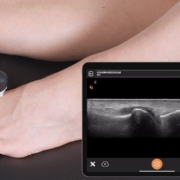
Diagnostic ultrasound imaging uses sound waves to create detailed images of soft tissues. Unlike X-rays, which only show bone, ultrasound allows healthcare providers to see the moving parts that support your activity. For example, it can show how tendons glide during shoulder movement or how a ligament responds when the ankle is stressed. This dynamic view helps identify injuries and areas at risk before they become more serious.

At Wall 2 Wall Sports & Rehab, we use a portable ultrasound device, which means we can perform these evaluations at your home or your office, getting you answers faster.  This real-time imaging allows us to see how your tissues move, stretch, and react, which is the key to understanding your pain or discomfort.

How It Supports Injury Prevention

Diagnostic ultrasound imaging isn’t just about diagnosing an existing problem—it also plays a role in preventing injuries. By visualizing how tissues respond during movement, therapists can:

  • Spot Early Changes – Detect inflammation, minor tears, or tissue irritation before they progress.

  • Identify Imbalances – Evaluate muscle and tendon function to find weaknesses or movement issues.

  • Guide Safer Training – Provide information to adjust exercise loads, mechanics, or recovery routines.

  • Track Healing Progress – Monitor how tissues recover over time to ensure safe return to activity.

This type of insight allows athletes, active adults, and those recovering from surgery to protect against setbacks. When small problems are addressed early, the risk of long-term damage decreases significantly.

Why It’s Different

Unlike many imaging tools, diagnostic ultrasound imaging is safe, non-invasive, and can be repeated without concern. It offers immediate feedback, meaning patients and therapists can see what’s happening inside the body during a single visit. This makes it an ideal tool for both diagnosis and ongoing monitoring throughout a rehabilitation or performance program.

By combining advanced imaging with tailored rehabilitation, diagnostic ultrasound helps bridge the gap between uncertainty and confident movement. Whether the goal is returning to sports, preventing re-injury, or maintaining an active lifestyle, this technology provides clarity that supports smarter, safer care.

Don’t wait for an injury to sideline you.  Let’s work together to keep you in the game!  Contact Wall 2 Wall Sports & Rehab today and schedule your appointment to get a clearer picture of your health.