Dry Needling: How This Modern Physical Therapy Technique Can Speed Your Recovery
If you’ve been dealing with muscle pain, tightness, or an injury that just won’t go away, you’ve probably heard about dry needling. Many athletes, weekend warriors, golfers, runners, and active adults use this treatment to reduce pain and restore movement. However, many people still wonder what dry needling actually is and how it works.
At Wall 2 Wall Sports & Rehab, we use dry needling as one part of a comprehensive treatment plan to help patients recover faster, move better, and return to the activities they love. Rather than masking symptoms, our goal is to identify and treat the source of your pain.
What Is Dry Needling?
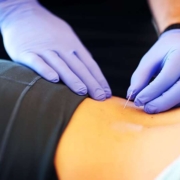
Dry needling is an advanced physical therapy technique that uses very thin, sterile, single-use filament needles to address pain, movement restrictions, muscle dysfunction, and impaired tissue mobility. Because the needles do not deliver medication or inject any substance into the body, the technique is referred to as “dry” needling.
In a physical therapy setting, dry needling is not limited to treating specific trigger points. Instead, a physical therapist uses a detailed understanding of anatomy, biomechanics, and movement patterns to determine which muscles, tendons, connective tissues, or neuromuscular structures may be contributing to pain or dysfunction. The goal is to influence the body’s neuromuscular system, improve tissue health, and restore more efficient movement.
By stimulating targeted tissues, dry needling can help reduce pain, improve circulation, decrease muscle guarding, enhance mobility, and promote a more normal movement pattern. As a result, patients often experience improved flexibility, better muscle performance, and faster recovery from injury. When combined with corrective exercise, manual therapy, and movement retraining, dry needling serves as a valuable tool within a comprehensive rehabilitation program designed to address the underlying cause of pain rather than simply managing symptoms.
How Is Dry Needling Different From Acupuncture?
Although both treatments use similar needles, they have very different goals.
Acupuncture comes from Traditional Chinese Medicine and focuses on balancing the body’s energy pathways, known as meridians.
Dry needling, on the other hand, is based on modern anatomy, neuroscience, and evidence-based physical therapy. Physical therapists use their knowledge of muscles, tendons, nerves, and movement patterns to target specific tissues contributing to pain or dysfunction.
Why Do Physical Therapists Recommend Dry Needling?
Many injuries create muscle tightness, protective muscle guarding, or trigger points that limit recovery. Even after the injured tissue begins healing, these muscle restrictions can continue causing pain and limiting movement.
Dry needling helps interrupt this cycle.
As a result, physical therapists commonly recommend dry needling for:
- Neck pain
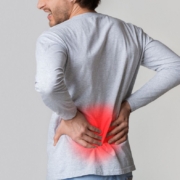
- Low back pain
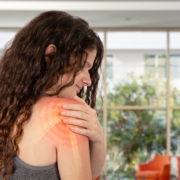
- Shoulder pain
- Rotator cuff injuries
- Tennis elbow and golfer’s elbow
- Hip pain
- Hamstring strains
- Calf strains
- Plantar fasciitis
- Achilles tendinopathy
- Knee pain
- Headaches related to muscle tension
- Sports injuries
- Chronic muscle tightness
Additionally, athletes often choose dry needling to improve muscle recovery after intense training or competition.
What Are the Benefits of Dry Needling?
When performed by a trained physical therapist, dry needling offers several important benefits.
These include:
- Reduces muscle pain
- Decreases muscle tension
- Improves flexibility and mobility
- Restores normal muscle activation
- Increases blood circulation
- Improves joint movement
- Speeds the healing process
- Reduces protective muscle guarding
- Enhances athletic performance
- Helps prevent recurring injuries
Most importantly, dry needling works best when combined with corrective exercises, manual therapy, and movement retraining. Instead of providing only temporary relief, this comprehensive approach addresses the underlying cause of the problem.
What Does Dry Needling Feel Like?
Many patients feel very little when the needle enters the skin because the needles are much thinner than those used for injections or blood draws.
However, once the needle reaches a trigger point, you may experience a quick muscle twitch or brief cramping sensation. Although this feeling lasts only a few seconds, it often indicates the targeted muscle is responding appropriately.
After treatment, it’s common to feel mild soreness for 24 to 48 hours, similar to the soreness you might experience after a challenging workout. Fortunately, most patients notice improved movement and decreased pain shortly afterward.
Is Dry Needling Safe?
Yes. Dry needling is considered very safe when performed by a properly trained and licensed physical therapist using sterile, single-use needles.
Before treatment, your physical therapist performs a thorough examination to determine whether dry needling is appropriate for your condition. Certain medical conditions, medications, or patient preferences may make other treatment options more appropriate.
Patient safety always remains our highest priority.
Why Choose Wall 2 Wall Sports & Rehab?
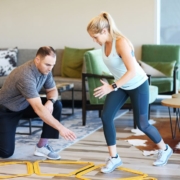
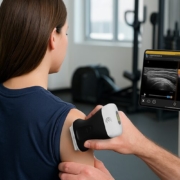
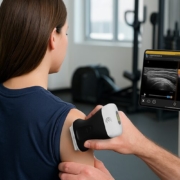
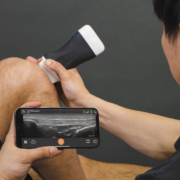
At Wall 2 Wall Sports & Rehab, dry needling is never used as a standalone treatment. Instead, we combine it with advanced orthopedic evaluation, hands-on manual therapy, corrective exercise, movement analysis, and, when appropriate, diagnostic musculoskeletal ultrasound imaging to identify the true source of your pain.
As a mobile concierge physical therapy practice serving Phoenix, Glendale, Peoria, Scottsdale, Surprise, Goodyear, and the surrounding West Valley, we bring expert care directly to your home, office, gym, or athletic facility. This one-on-one approach allows us to spend more time understanding your injury and developing a personalized treatment plan designed around your goals.
Whether you’re recovering from a sports injury, struggling with chronic muscle tightness, or looking to improve your performance, our team is committed to helping you recover safely and efficiently.
Ready to Move Better?
Pain doesn’t have to limit your lifestyle. If muscle tightness, recurring injuries, or persistent pain are keeping you from doing what you love, dry needling may be an effective part of your recovery.
Contact Wall 2 Wall Sports & Rehab today to schedule your comprehensive physical therapy evaluation and discover how dry needling can help you recover faster, move with confidence, and get back to living an active life.