The 5 Most Common Fall Sports Foot and Ankle Injuries (And How to Prevent Them)
As fall sports begin across Arizona, athletes of all ages are spending more time running, jumping, cutting, and changing direction. These movements place significant stress on the feet and ankles, making them some of the most common areas for sports injuries.
Your feet and ankles are the foundation of nearly every movement you make. They absorb impact, provide balance, and help transfer force between the ground and the rest of your body. When your feet and ankles are not functioning properly, problems can develop farther up the body, including the knees, hips, and lower back.
Whether you are a youth athlete, weekend warrior, runner, or competitive athlete, taking care of your feet and ankles is an important part of maintaining overall health and staying active.
1. Ankle Sprains
Ankle sprains are among the most common sports injuries, especially in soccer, football, basketball, volleyball, and other sports that require cutting and jumping.
A sprained ankle occurs when the ligaments supporting the ankle are stretched or torn. The outside ligaments are injured most often.
How to prevent them:
Improve ankle strength, balance, and proprioception. Single-leg exercises, calf raises, balance drills, and sport-specific movement training can help prepare the ankle for quick changes in direction.
Proper rehabilitation after an ankle sprain is also important. Returning to sports too quickly can increase the risk of chronic ankle instability and repeated sprains.
2. Achilles Tendon Injuries
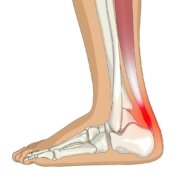
The Achilles tendon connects the calf muscles to the heel bone and plays an important role in running and jumping. Sudden increases in training, inadequate recovery, and poor calf strength can contribute to Achilles tendon pain and injury.
Athletes may experience stiffness or pain near the back of the heel, particularly during running or jumping.
How to prevent them:
Gradually increase training volume and include calf strengthening in your program. Eccentric and progressive calf exercises can help improve the strength and capacity of the Achilles tendon.
3. Plantar Fasciitis
Plantar fasciitis causes pain along the bottom of the foot, usually near the heel. It can affect runners, athletes, and people who spend long periods standing or walking.
Tight calves, changes in training, poor foot mechanics, and sudden increases in activity can contribute to symptoms.
How to prevent it:
Maintain calf and foot strength, increase training gradually, and pay attention to persistent foot pain rather than trying to push through it.
4. Stress Fractures
Stress fractures are small cracks in a bone caused by repetitive stress. They commonly affect runners and athletes who participate in high-impact sports.
Pain that becomes worse with activity and improves with rest should not be ignored, particularly when the pain is localized to one specific area.
How to prevent them:
Avoid sudden increases in running or jumping volume. Proper strength training, adequate recovery, appropriate nutrition, and gradual progression can help reduce the risk.
5. Peroneal and Other Ankle Tendon Injuries
The tendons around the ankle help stabilize the foot during walking, running, and cutting. Repetitive stress or an ankle injury can irritate these tendons and cause pain or weakness.
How to prevent them:
Strengthen the muscles surrounding the ankle and gradually expose your body to the demands of your sport. A proper movement assessment can also identify strength or mobility limitations before they become larger problems.
Your Feet and Ankles Affect Your Entire Body
Healthy feet and ankles do more than keep you on your feet. They influence how force moves through your entire body. Limited ankle mobility, poor balance, or weakness can change movement patterns and potentially increase stress on the knees, hips, and lower back.
That is why foot and ankle health should be part of your overall injury-prevention strategy—not something you think about only after an injury occurs.
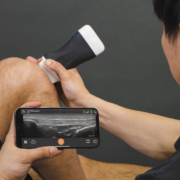
At Wall 2 Wall Sports & Rehab, we provide mobile physical therapy throughout the Phoenix and West Valley areas, including Glendale, Peoria, and Surprise. Our sports-focused approach evaluates the entire movement system to identify the factors contributing to your injury. When appropriate, diagnostic ultrasound imaging can also provide additional information about certain muscles, tendons, ligaments, and other soft tissues.
Don’t Let a Foot or Ankle Injury Keep You Out of Your Sport
If you are experiencing foot or ankle pain, dealing with a recurring ankle sprain, or want to reduce your risk of injury this fall, Wall 2 Wall Sports & Rehab can help you move better and stay active.
Contact Wall 2 Wall Sports & Rehab today to schedule a mobile physical therapy evaluation and take care of your feet and ankles before a small problem becomes a bigger one.