Achilles Tendon Pain: What Causes It and When Should You Seek Treatment?
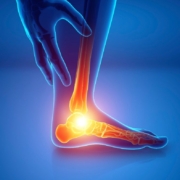
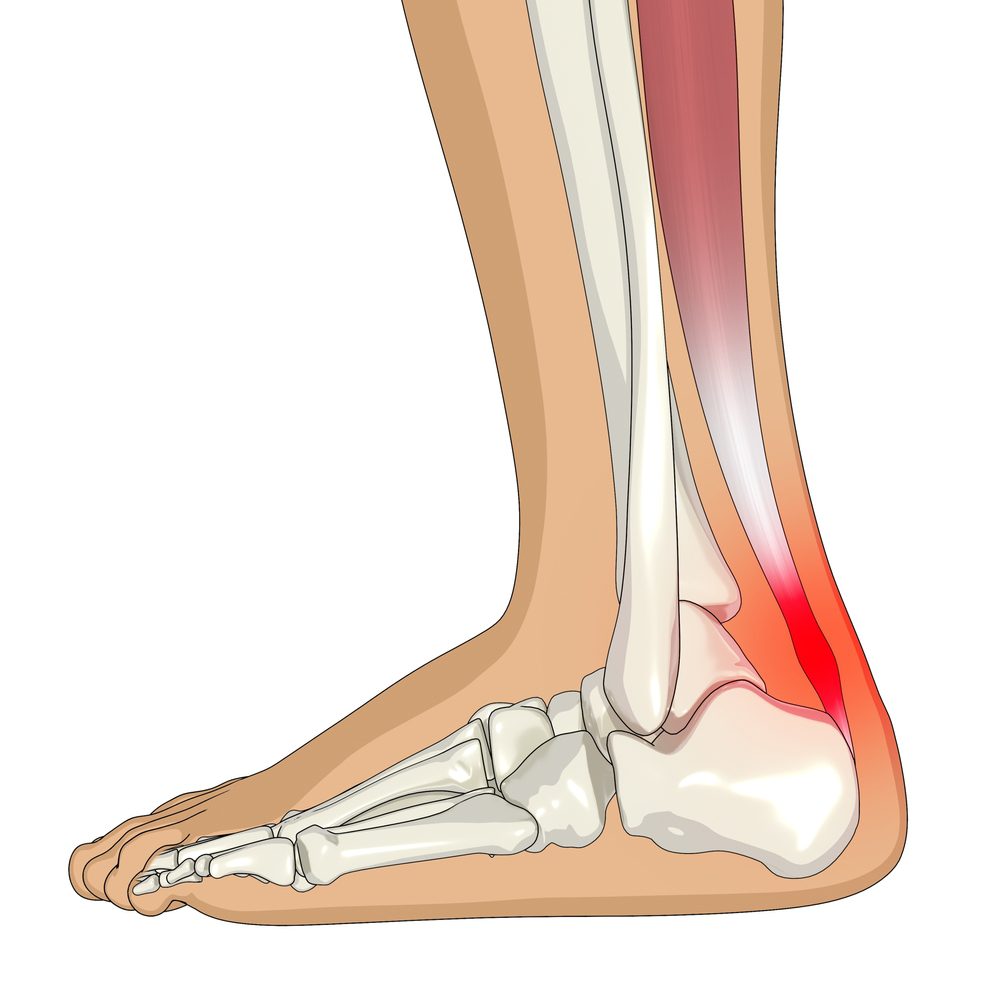
The Achilles tendon is one of the strongest and most important tendons in the human body. It connects the calf muscles to the heel bone and plays a major role in walking, running, jumping, and pushing off the ground. Because the Achilles tendon handles significant amounts of force, it is also vulnerable to overuse injuries and sudden trauma.
Achilles tendon pain can affect athletes, runners, active adults, and even people who do not participate in organized sports. Understanding what causes Achilles pain and when to seek treatment can help prevent a minor problem from becoming a serious injury.
What Causes Achilles Tendon Pain?
Achilles tendon pain is often caused by repeated stress that exceeds the tendon’s ability to recover. This is commonly referred to as Achilles tendinopathy.
Several factors can increase your risk, including:
- Suddenly increasing running or training volume
- Repetitive jumping or sprinting
- Limited ankle mobility
- Weak calf muscles
- Poor recovery between workouts
- Changes in footwear or training surfaces
- Returning to sports too quickly after time off
- Previous Achilles or ankle injuries
Athletes involved in running, basketball, soccer, tennis, pickleball, and other high-impact sports may be particularly susceptible.
Pain may develop gradually as stiffness or soreness around the back of the ankle. In other cases, an athlete may experience a sudden Achilles tendon rupture during a sprint or jump.
What Does Achilles Tendon Pain Feel Like?
Achilles tendon symptoms can vary depending on the severity and location of the injury. Common symptoms include:
- Pain or stiffness in the back of the ankle
- Pain during running or jumping
- Tenderness along the Achilles tendon
- Swelling or thickening of the tendon
- Increased pain after exercise
- Stiffness when taking your first steps in the morning
It is important not to ignore persistent Achilles tendon pain. Continuing to train through increasing symptoms can place additional stress on the tendon and make recovery more difficult.
When Should You Seek Treatment?
Not every episode of Achilles soreness requires immediate medical attention. However, you should consider seeing a physical therapist when pain continues, gets worse, or begins affecting your ability to walk, run, jump, or participate in your normal activities.
Sudden severe pain, a popping sensation, significant swelling, or difficulty pushing off the foot should be evaluated promptly, as these may be signs of an Achilles tendon rupture.
Early evaluation can help determine what is contributing to the pain and allow an appropriate rehabilitation plan to begin before the problem becomes more serious.
Why Foot and Ankle Health Matters
Your feet and ankles are the foundation of your movement. Every step, jump, sprint, and change of direction begins with your interaction with the ground.
Limited ankle mobility, poor balance, weakness, or an unresolved foot or ankle injury can change the way forces move through your body. Over time, these movement changes may place additional stress on the knees, hips, or lower back.
Taking care of your feet and ankles is therefore about more than preventing foot pain. Maintaining good strength, mobility, balance, and movement mechanics can help you remain active and support your overall physical health.
How Physical Therapy Can Help
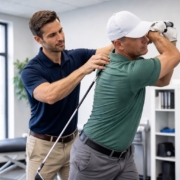
At Wall 2 Wall Sports & Rehab, our goal is not simply to treat your Achilles tendon pain. We look at the entire movement system to determine why the injury occurred and what needs to change to help you return to the activities you enjoy.
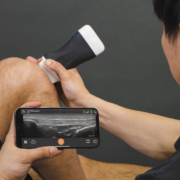
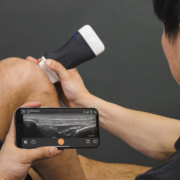
Treatment may include progressive calf and Achilles strengthening, mobility exercises, balance training, manual therapy, movement analysis, and sport-specific rehabilitation. When appropriate, diagnostic ultrasound imaging can also provide valuable information about the Achilles tendon and surrounding soft tissues.
As a mobile physical therapy practice serving Glendale, Peoria, Surprise, Scottsdale, and the greater Phoenix area, Wall 2 Wall Sports & Rehab brings sports-focused physical therapy directly to you.
Don’t Ignore Achilles Tendon Pain
Achilles tendon pain does not have to keep you from running, training, playing sports, or staying active. The sooner you identify the factors contributing to your symptoms, the sooner you can begin an appropriate plan to restore strength and function.
If you are experiencing Achilles tendon pain, recurring ankle problems, or difficulty returning to your sport, contact Wall 2 Wall Sports & Rehab today to schedule a mobile physical therapy appointment.
Don’t wait for Achilles pain to become a major injury. Take care of your feet and ankles now so you can keep doing what you love.