Foot and Ankle Injuries in Athletes: When Should You Get Diagnostic Ultrasound?
Whether you play football, soccer, basketball, pickleball, or enjoy running, your feet and ankles play an important role in every movement. They absorb impact, provide balance, and help you accelerate, jump, and change direction. However, these demands also make the foot and ankle vulnerable to sports injuries.
When pain develops, one of the biggest questions athletes face is: What exactly is injured, and how do I know when to seek treatment?
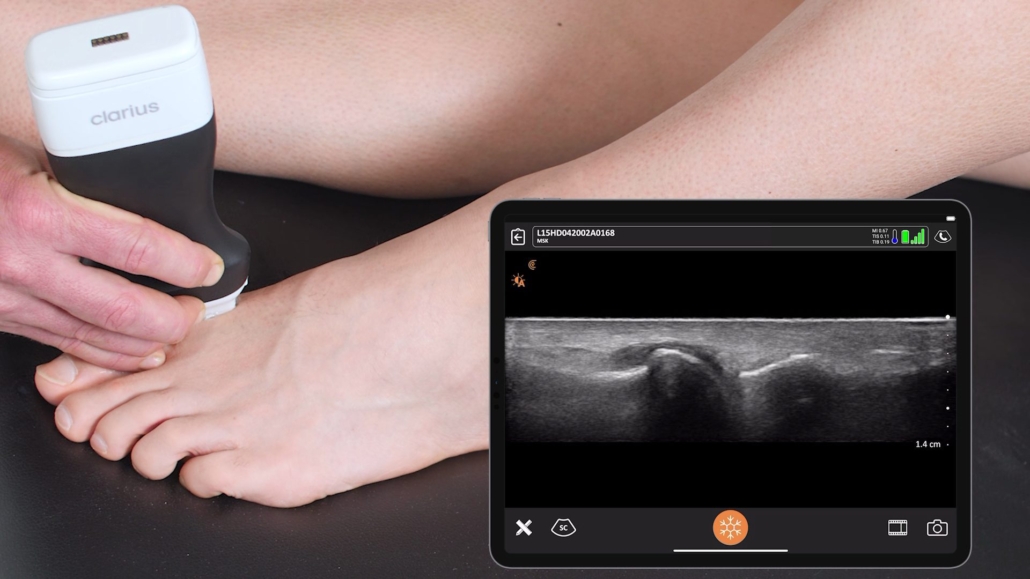
Diagnostic ultrasound imaging can help answer these questions by providing real-time images of muscles, tendons, ligaments, and other soft tissues. At Wall 2 Wall Sports & Rehab, we use diagnostic ultrasound when appropriate to help evaluate sports injuries and guide individualized physical therapy treatment.
What Foot and Ankle Injuries Can Ultrasound Evaluate?
Diagnostic musculoskeletal ultrasound uses sound waves to create images of structures beneath the skin. Unlike X-rays, ultrasound does not use ionizing radiation and allows a clinician to observe certain tissues while the body moves.
For athletes experiencing foot and ankle pain, ultrasound may help evaluate several common injuries.
1. Achilles Tendon Injuries
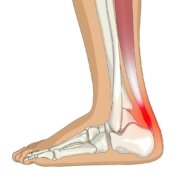
The Achilles tendon connects your calf muscles to your heel bone. It plays a major role in running, jumping, and pushing off the ground.
Ultrasound can help identify tendon thickening, changes associated with tendinopathy, and partial or complete tears. It may also help evaluate the tendon during movement.
2. Ankle Ligament Sprains
Ankle sprains commonly occur when an athlete rolls their ankle during a jump, landing, or sudden change in direction.
Ultrasound may help assess certain ankle ligaments for thickening, disruption, or other signs of injury. A thorough clinical examination is still important because imaging alone cannot determine the full extent of ankle instability.
3. Peroneal Tendon Injuries
The peroneal tendons run along the outside of the ankle and help stabilize the foot during movement.
These tendons can become irritated or injured during repetitive activity or following an ankle sprain. Ultrasound may help identify tendon abnormalities and, in some cases, observe tendon movement that could explain snapping or discomfort.
4. Plantar Fascia Pain
The plantar fascia is a strong band of tissue along the bottom of your foot. It supports the arch and helps your foot manage forces during walking and running.
Ultrasound can evaluate plantar fascia thickness and certain tissue changes associated with plantar fasciitis, helping guide treatment decisions.
When Should an Athlete Get Diagnostic Ultrasound?
You should consider a professional evaluation when foot or ankle pain persists, repeatedly returns, or begins limiting your ability to train or compete.
Diagnostic ultrasound may be particularly useful when your symptoms suggest a tendon or ligament injury, when the source of pain is unclear, or when your clinician needs additional information to guide rehabilitation.
Seek prompt medical evaluation after a sudden injury involving a popping sensation, severe swelling, inability to bear weight, or significant difficulty pushing off your foot.
Why Foot and Ankle Health Matters for Your Entire Body
Your feet and ankles are the foundation of your movement. When they are painful, weak, or restricted, you may change the way you walk, run, or land.
These changes can affect how forces move through your knees, hips, and lower back. Poor balance, limited ankle mobility, and unresolved injuries can also make everyday activities more difficult.
Maintaining foot and ankle health is important for more than athletic performance. It supports mobility, independence, physical activity, and your ability to participate in the activities you enjoy.
How Wall 2 Wall Sports & Rehab Can Help
At Wall 2 Wall Sports & Rehab, we provide mobile physical therapy throughout Glendale, Peoria, Surprise, Scottsdale, and the greater Phoenix area.
Our sports-focused evaluations examine your strength, mobility, balance, and movement patterns. When appropriate, diagnostic ultrasound imaging can provide additional information about certain soft tissue injuries and help guide your rehabilitation plan.
Treatment may include progressive strengthening, mobility exercises, balance training, manual therapy, and sport-specific rehabilitation designed around your goals.
Don’t Let Foot and Ankle Pain Keep You on the Sidelines
If you are dealing with recurring ankle sprains, Achilles tendon pain, plantar fascia symptoms, or another sports-related foot or ankle injury, getting the right evaluation is an important first step.
Contact Wall 2 Wall Sports & Rehab today to schedule your mobile physical therapy appointment. We will help you understand your injury, identify contributing factors, and develop a personalized plan to help you move better and return to the activities you love.