How Arizona Heat Affects Your Muscles, Tendons, and Athletic Performance
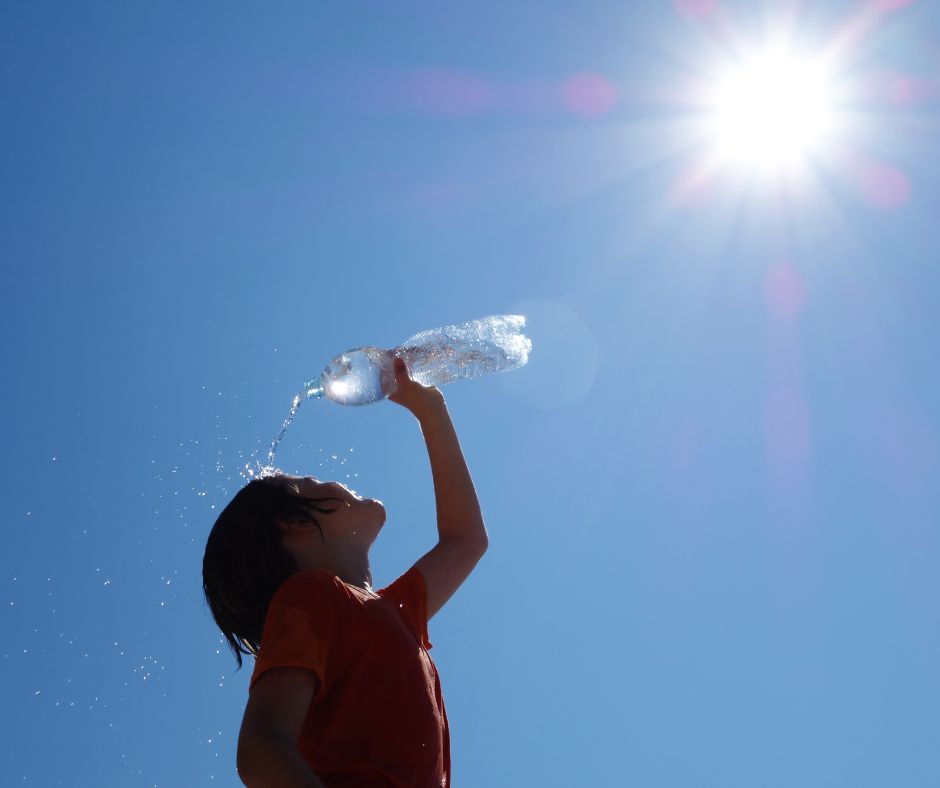
Living in Phoenix means dealing with extreme heat for much of the year. For athletes, runners, golfers, pickleball players, and active adults, Arizona’s heat can do more than make a workout uncomfortable. High temperatures can affect how your muscles perform, how quickly you fatigue, and how well your body recovers after exercise.
At Wall 2 Wall Sports & Rehab, we regularly work with active individuals throughout Phoenix, Glendale, Peoria, Surprise, Scottsdale, and the West Valley. Understanding how heat affects your body can help you train smarter, reduce your risk of injury, and recognize when muscle pain may be more than normal post-workout soreness.
How Does Extreme Heat Affect Your Muscles?
When you exercise in high temperatures, your body has to work harder to maintain a safe internal temperature. Blood flow is redirected toward the skin to help release heat, while your muscles still require adequate blood flow to produce energy and continue working.
This creates additional stress on your cardiovascular and muscular systems.
As your body temperature rises, you may experience:
- Increased fatigue
- Decreased muscle endurance
- Muscle cramps
- Reduced strength and power
- Increased heart rate
- Slower recovery
- Greater perceived exertion
In Arizona’s dry heat, you may not always realize how much fluid you are losing because sweat can evaporate quickly. You can become dehydrated without feeling excessively sweaty.
Dehydration Can Increase Muscle Problems
Fluids are essential for normal muscle contraction and overall athletic performance. When you become dehydrated, your body has a harder time maintaining normal circulation and regulating temperature.
Dehydration may contribute to muscle cramping, fatigue, headaches, and decreased exercise performance. It can also make it more difficult to recover between workouts.
For athletes training outdoors in Phoenix during the summer, hydration should be considered part of the training plan rather than something you think about only when you become thirsty.
Does Heat Increase Your Risk of a Muscle Strain?
Heat itself does not automatically cause a muscle strain. However, exercising in extreme temperatures can increase fatigue, and fatigue can affect movement quality and coordination.
When muscles become fatigued, athletes may compensate by changing their mechanics. A runner may alter their stride. A baseball player may change their throwing mechanics. A golfer may lose control of their swing. A pickleball player may begin moving differently on the court.
These changes can place additional stress on muscles, tendons, and joints.
That is why recognizing early signs of fatigue is important, especially when training in the Arizona heat.
Don’t Assume Every Muscle Ache Is From the Heat
One of the biggest mistakes athletes make is assuming that pain is simply the result of a hard workout or exercising in hot weather.
Persistent or localized pain may indicate an underlying injury such as:
- Muscle strain or tear
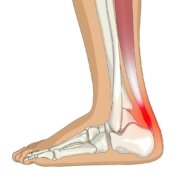
- Tendinopathy
- Tendon tear
- Joint irritation
- Stress injury
- Overuse injury
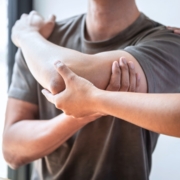
If pain continues after adequate rest and hydration, becomes more localized, or begins affecting your athletic performance, it may be time for a professional evaluation.
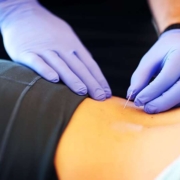
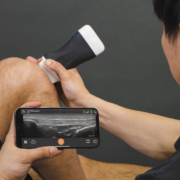
At Wall 2 Wall Sports & Rehab, a comprehensive physical therapy evaluation can help determine whether your symptoms are related to normal exercise fatigue or an actual musculoskeletal injury. When appropriate, diagnostic ultrasound can also be used to evaluate muscles, tendons, and other soft tissues in real time.
How to Exercise Safely in Arizona
You don’t have to stop exercising during the summer, but you should modify your approach.
Consider:
Train during cooler hours. Early morning or evening workouts can reduce heat exposure.
Stay hydrated. Replace fluids before, during, and after exercise. Longer or more intense workouts may also require appropriate electrolyte replacement.
Monitor your fatigue. If your performance suddenly drops, take a break rather than trying to push through.
Allow adequate recovery. Your body may need more recovery time after exercising in extreme heat.
Listen to persistent pain. Normal muscle soreness should gradually improve. Pain that persists or worsens deserves further evaluation.
Don’t Let Arizona Heat Keep You on the Sidelines
Arizona’s heat can make training more challenging, but understanding how heat affects your muscles and recovery can help you stay active and healthy.
If you are experiencing persistent muscle pain, tendon pain, weakness, or a sports injury, Wall 2 Wall Sports & Rehab provides mobile concierge physical therapy and sports rehabilitation throughout the Phoenix area. Our one-on-one approach allows us to evaluate your movement, identify potential sources of pain, and develop a personalized plan to help you return to the activities you enjoy.
If your pain isn’t improving, don’t simply blame the Arizona heat. Schedule an evaluation with Wall 2 Wall Sports & Rehab and find out what is really causing your pain.