Tennis Elbow: Why Your Elbow Hurts Even If You Don’t Play Tennis
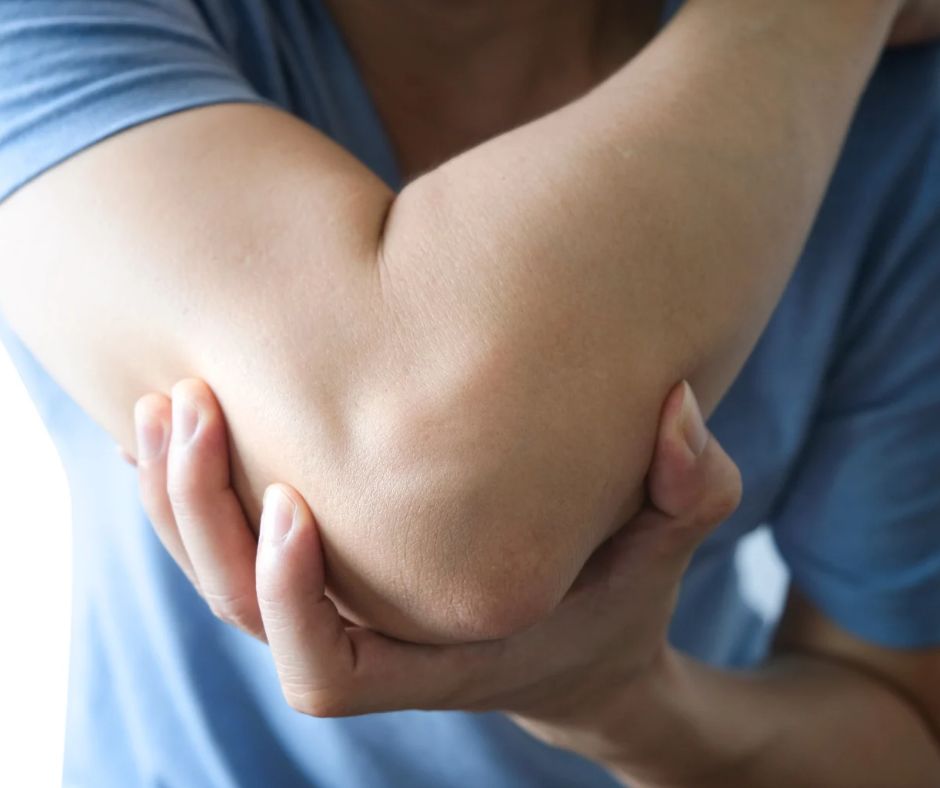
You do not have to play tennis to develop tennis elbow. Tennis elbow, medically known as lateral elbow tendinopathy, occurs when the tendons on the outside of your elbow become painful, often from repeated gripping, lifting, or wrist movements. It can affect weightlifters, golfers, construction workers, office workers, and anyone who regularly uses their hands and forearms.
At Wall 2 Wall Sports & Rehab, we help patients throughout Glendale, Peoria, Surprise, and the West Valley identify the cause of elbow pain and build personalized physical therapy programs to restore strength, improve function, and get them back to the activities they enjoy.
What Causes Tennis Elbow?
Tennis elbow commonly involves the extensor carpi radialis brevis (ECRB), a forearm muscle that helps extend your wrist. Repeated loading can cause the tendon to become painful and less tolerant of everyday activities.
Common Activities That Can Cause Tennis Elbow
Weightlifting and Exercise
Repeated gripping during deadlifts, rows, pull-ups, and other exercises can overload the forearm tendons, especially when training volume or intensity increases too quickly.
Work-Related Activities
Using tools, performing repetitive manual tasks, or completing activities that require frequent gripping may contribute to elbow pain.
Golf and Racquet Sports
Repeated gripping and wrist movements can place stress on the outside of the elbow. Golfers may also develop related forearm tendon pain from repeated swings.
Everyday Activities
Carrying groceries, lifting children, gardening, cooking, and turning a screwdriver can aggravate an already sensitive tendon.
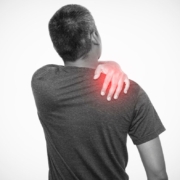
Tennis elbow often develops gradually rather than from one specific injury. You may notice pain when gripping objects, lifting a coffee mug, shaking hands, or extending your wrist against resistance.
How Can Physical Therapy Help Tennis Elbow?
Rest alone may temporarily reduce pain, but it does not always restore the tendon’s ability to handle daily demands. A personalized physical therapy program can help improve strength and gradually rebuild the tendon’s tolerance to activity.
Treatment Options for Tennis Elbow
Progressive Strengthening
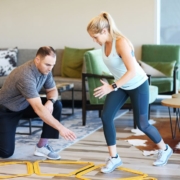
Targeted wrist and forearm exercises can help improve strength and the tendon’s ability to tolerate everyday activities. Your physical therapist can adjust resistance and repetitions to match your symptoms and recovery.
Activity Modification and Movement Retraining
Small changes to lifting technique, grip position, exercise volume, or workplace habits may reduce unnecessary stress on the elbow while you recover.
Hands-On Treatment and Mobility Exercises
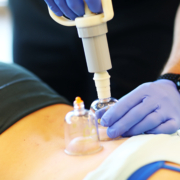
Depending on your evaluation, treatment may include hands-on techniques and exercises to address mobility restrictions and help you return to normal movement.
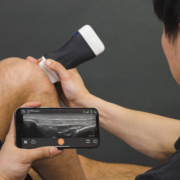
Diagnostic Musculoskeletal Ultrasound
At Wall 2 Wall Sports & Rehab, we offer diagnostic musculoskeletal ultrasound when clinically appropriate. Ultrasound can help assess certain tendon changes and support the clinical examination. Imaging findings must be interpreted alongside your symptoms and physical assessment.
When Should You Seek Treatment for Tennis Elbow?
Consider a physical therapy evaluation if your elbow pain persists, interferes with work or exercise, or makes everyday activities difficult. Early assessment can help identify contributing factors and establish a plan to restore strength and function.
Pain on the outside of the elbow can have several causes, so a proper evaluation is important. Your physical therapist can assess your symptoms, grip strength, wrist movement, and surrounding joints to determine whether tennis elbow is likely or whether further medical assessment may be needed.
Get Relief From Elbow Pain With Wall 2 Wall Sports & Rehab
You do not have to live with elbow pain or stop doing the activities you enjoy. Whether your symptoms come from weightlifting, work, golf, or everyday tasks, the right rehabilitation plan can help you move toward better strength and function.
Wall 2 Wall Sports & Rehab provides personalized, mobile physical therapy in Glendale, Peoria, Surprise, and surrounding West Valley communities. We bring one-on-one care directly to your home, gym, or workplace.
Contact Wall 2 Wall Sports & Rehab today to schedule an evaluation and take the first step toward less elbow pain, stronger forearms, and a more active lifestyle.