
What Is a TPI Assessment – And Why It’s a Game Changer For Your Golf Performance

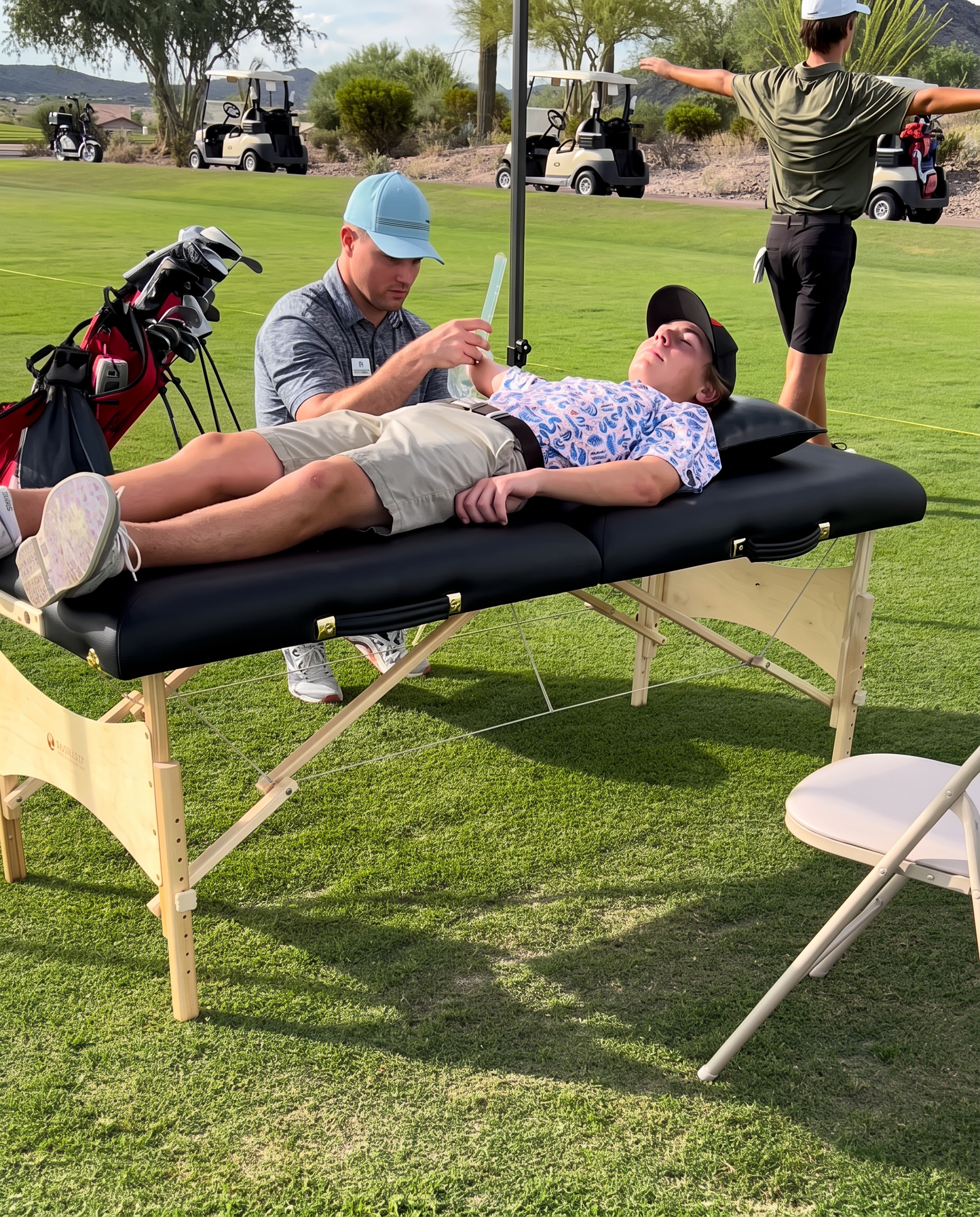
If you’re a golfer in West Phoenix looking to hit longer, play stronger, and stay pain-free, a TPI (Titleist Performance Institute) Assessment is one of the smartest investments you can make in your game and your body. At Wall 2 Wall Sports & Rehab, we bring this elite level of golf-specific evaluation and training directly to your home or club — combining TPI-certified expertise with the advanced knowledge of a Doctor of Physical Therapy to help you perform your best and avoid injury.

What Is a TPI Assessment?

A TPI Assessment is a comprehensive movement screen designed to identify how your body’s mobility, strength, and stability affect your golf swing. The screen includes 16 key tests that examine how well your joints and muscles work together during your swing — from shoulder rotation and hip mobility to balance and core strength.

The TPI system was developed by the world’s leading experts in golf biomechanics, and it’s used by top professionals on the PGA and LPGA Tours. The goal isn’t to change your swing style — it’s to help your body move more efficiently so your natural swing becomes more powerful, repeatable, and safe.

Why Choose a Doctor of Physical Therapy Certified in TPI?

While many golf coaches and fitness pros can perform a TPI screen, a Doctor of Physical Therapy (DPT) who is TPI Certified brings an entirely different level of expertise. At Wall 2 Wall Sports & Rehab, our evaluation doesn’t just identify movement restrictions — it diagnoses the why behind them. Using diagnostic ultrasound, manual muscle testing, and clinical expertise in sports biomechanics, we pinpoint the source of your limitations and design a plan to correct them.

This means your plan isn’t just about performance — it’s also about injury prevention, longevity, and pain-free play. Whether you struggle with low back tightness, elbow pain, or shoulder stiffness, our integrated approach addresses the root cause and builds a stronger, more efficient body for golf.

Play Better. Stay Pain-Free.

At Wall 2 Wall Sports & Rehab, we bring the tour-level experience to you. Our mobile, concierge physical therapy model allows you to complete your TPI assessment and follow-up sessions right at your home, workplace, or golf club.

If you’re ready to improve your swing, prevent injuries, and unlock your full potential on the course, schedule your 2-hour TPI Golf Performance Assessment today.

Call Wall 2 Wall Sports & Rehab or schedule your appointment to take your golf game to the next level.

Diagnostic Ultrasound Imaging: A Clear View for Injury Prevention and Faster Recovery

One of the biggest challenges in managing pain or staying active is understanding what’s happening beneath the surface. Many people wait until pain becomes severe or movement is limited before seeking answers. While X-rays are excellent for looking at bones and MRIs can be helpful, they are often difficult to schedule and may not give immediate results. Diagnostic ultrasound imaging  is changing that, offering a fast and highly effective way to view muscles, tendons, ligaments, and joints in real time.

What Is Diagnostic Ultrasound Imaging?

Diagnostic ultrasound imaging uses sound waves to create detailed images of soft tissues. Unlike X-rays, which only show bone, ultrasound allows healthcare providers to see the moving parts that support your activity. For example, it can show how tendons glide during shoulder movement or how a ligament responds when the ankle is stressed. This dynamic view helps identify injuries and areas at risk before they become more serious.

At Wall 2 Wall Sports & Rehab, we use a portable ultrasound device, which means we can perform these evaluations at your home or your office, getting you answers faster.  This real-time imaging allows us to see how your tissues move, stretch, and react, which is the key to understanding your pain or discomfort.

How It Supports Injury Prevention

Diagnostic ultrasound imaging isn’t just about diagnosing an existing problem—it also plays a role in preventing injuries. By visualizing how tissues respond during movement, therapists can:

  • Spot Early Changes – Detect inflammation, minor tears, or tissue irritation before they progress.

  • Identify Imbalances – Evaluate muscle and tendon function to find weaknesses or movement issues.

  • Guide Safer Training – Provide information to adjust exercise loads, mechanics, or recovery routines.

  • Track Healing Progress – Monitor how tissues recover over time to ensure safe return to activity.

This type of insight allows athletes, active adults, and those recovering from surgery to protect against setbacks. When small problems are addressed early, the risk of long-term damage decreases significantly.

Why It’s Different

Unlike many imaging tools, diagnostic ultrasound imaging is safe, non-invasive, and can be repeated without concern. It offers immediate feedback, meaning patients and therapists can see what’s happening inside the body during a single visit. This makes it an ideal tool for both diagnosis and ongoing monitoring throughout a rehabilitation or performance program.

By combining advanced imaging with tailored rehabilitation, diagnostic ultrasound helps bridge the gap between uncertainty and confident movement. Whether the goal is returning to sports, preventing re-injury, or maintaining an active lifestyle, this technology provides clarity that supports smarter, safer care.

Don’t wait for an injury to sideline you.  Let’s work together to keep you in the game!  Contact Wall 2 Wall Sports & Rehab today and schedule your appointment to get a clearer picture of your health.

Why Mobile Concierge Physical Therapy Isn’t Covered by Health Insurance

Mobile concierge physical therapy is changing how people receive care. Instead of driving to a crowded clinic, patients receive one-on-one physical therapy in their home, workplace, or gym. Sessions are longer, more personal, and focused entirely on results.

So why isn’t this type of care usually covered by health insurance? The answer comes down to how insurance companies are structured—and what they value.

Insurance Prioritizes Cost Control, Not Personalized Care

Traditional insurance-based physical therapy is built around volume. In most outpatient clinics, therapists treat multiple patients at once, rotate between tables, and follow strict time limits. This structure allows insurance companies to control costs and standardize billing.

Mobile concierge physical therapy flips that model.

At Wall 2 Wall Sports & Rehab, each session is one-on-one with a Doctor of Physical Therapy for the full hour or longer. There is no overlap, no aides, and no rushed care. That level of focus produces better outcomes—but it does not fit the insurance model designed around efficiency and volume billing.

Concierge Physical Therapy Operates Out-of-Network by Design

Many mobile physical therapists choose to work out-of-network or as cash-based providers. This decision allows them to:

  • Spend more time with each patient
  • Provide advanced services not always reimbursed by insurance
  • Eliminate restrictions on visit frequency and treatment methods
  • Focus on recovery instead of paperwork

Insurance companies place limits on treatment length, number of visits, and even which techniques can be used. Concierge physical therapy intentionally operates outside those limitations to deliver higher-quality, personalized care. As a result, insurance typically does not cover it—though patients may still be eligible for out-of-network reimbursement depending on their plan.

Insurance Covers “Medical Necessity,” Not Convenience or Value

Health insurance is designed to cover what it defines as medically necessary—not what is most convenient or effective for the patient. While physical therapy itself is often a covered benefit, the delivery method matters.

Mobile concierge physical therapy includes:

  • Therapist travel time
  • Extended session lengths
  • Flexible scheduling
  • Preventive care and performance-focused rehab
  • Direct access to your provider

These benefits dramatically improve outcomes, but insurance companies classify them as non-essential extras rather than necessities—even though many patients progress faster and need fewer total visits.

Why Many Patients Still Choose Mobile Physical Therapy

Patients who work with Wall 2 Wall Sports & Rehab often choose concierge care because they want:

  • Faster results
  • Personalized treatment plans
  • Zero time wasted driving or waiting
  • Consistent care from the same physical therapist
  • Freedom from insurance restrictions

When care is focused, uninterrupted, and built around your goals, progress happens more efficiently—even without insurance dictating your plan.

The Bottom Line

Mobile concierge physical therapy isn’t covered by health insurance because it prioritizes quality, time, and individualized care over volume and cost containment. While insurance-funded PT can help many people, concierge physical therapy offers a higher level of service for those who value results, convenience, and expert care.

Ready to Experience One-on-One Mobile Physical Therapy?

Wall 2 Wall Sports & Rehab provides in-home physical therapy, sports injury rehab, post-surgical rehab, dry needling, and diagnostic ultrasound throughout Glendale, Peoria, Surprise, and surrounding West Phoenix areas.

Call today or book your in-home physical therapy evaluation and experience what personalized, unrestricted care feels like—on your schedule, at your location.

Best Ways to Prevent Back Pain and Spine Issues

Back pain is one of the most common reasons people miss work, avoid exercise, or stop doing the activities they enjoy. The good news? Many back issues are preventable with the right habits and guidance. At Wall 2 Wall Sports & Rehab, we help patients across Glendale, Peoria, Surprise, and West Phoenix protect their spine and stay active through personalized, one-on-one mobile physical therapy.

Below are evidence-based strategies to help you prevent back pain and long-term spine problems.

  1. Build a Strong Core to Support Your Spine

Your core muscles—abs, lower back, hips, and pelvis—act like a natural brace for your spine. Weak core muscles force your back to work harder, increasing injury risk.

What helps:

  • Planks
  • Bridges
  • Controlled Pilates-style movements

A mobile physical therapist can tailor these exercises to your ability level and daily demands.

  1. Improve Your Posture at Work and Home

Poor posture is a major contributor to neck and back pain, especially for people who sit or drive for long hours.

Desk posture tips:

  • Feet flat on the floor
  • Screen at eye level
  • Lower back supported

Standing posture:

  • Weight evenly distributed
  • Avoid slouching or arching excessively

Posture training is a key part of our in-home physical therapy programs.

  1. Use Proper Lifting Mechanics

Improper lifting is a common cause of acute back injuries.

Always remember:

  • Bend at the hips and knees, not the waist
  • Keep the object close to your body
  • Avoid twisting while lifting

We teach real-life lifting strategies that apply to work, sports, and everyday tasks.

  1. Stay Active and Avoid Prolonged Sitting

Sitting for long periods stiffens joints and weakens muscles.

Helpful habits:

  • Stand or walk every 30–60 minutes
  • Prioritize low-impact activity like walking, biking, or swimming

Movement-based physical therapy helps restore mobility and circulation.

  1. Sleep in a Spine-Friendly Position

Poor sleep posture can irritate the spine night after night.

Best practices:

  • Mattress that supports natural spinal curves
  • Side sleeping with a pillow between the knees
  • Back sleeping with pillow support under knees

We often assess sleep positions during our in-home evaluations.

  1. Maintain a Healthy Body Weight

Excess weight—especially around the midsection—places extra stress on the lower back and spinal joints. Consistent movement and targeted exercise help reduce strain and improve endurance.

  1. Stretch Tight Muscles Regularly

Tight hips, hamstrings, and lower back muscles pull on the spine and limit movement.

Key areas to stretch:

  • Hamstrings
  • Hip flexors
  • Glutes and lumbar spine

A physical therapist ensures you stretch safely without aggravating pain.

  1. Address Back Pain Early

Ignoring back discomfort often leads to chronic pain and longer recovery times. Early physical therapy can identify movement faults, muscle imbalances, and joint restrictions before they worsen.

At Wall 2 Wall Sports & Rehab, we bring concierge, mobile physical therapy directly to your home—no insurance-driven limitations, no crowded clinics, and no rushed appointments.

Take Control of Your Back Health Today

If you’re dealing with back pain—or want to prevent future issues—professional guidance makes all the difference. Our one-on-one, in-home physical therapy helps active adults in Glendale, Peoria, Surprise, and West Phoenix move better, feel stronger, and stay pain-free.

Call Wall 2 Wall Sports & Rehab today to schedule your in-home back evaluation and start protecting your spine.

Why Mobile, Concierge Physical Therapy is Changing The Way Patients Recover

When pain, injury, or surgery slows you down, getting to a physical therapy clinic can feel like another obstacle. Long drives, crowded waiting rooms, rushed appointments, and limited one-on-one time are common frustrations. That’s where mobile, concierge physical therapy offers a better solution.

At Wall 2 Wall Sports & Rehab, we bring high-level physical therapy directly to your home, workplace, or fitness facility throughout Glendale, Peoria, Surprise, and the West Phoenix area. This model isn’t just more convenient—it often leads to better outcomes, faster progress, and a more personalized experience.

Below is a breakdown of the key benefits of mobile physical therapy and why more active adults, athletes, and post-surgical patients are choosing in-home care.

  1. True Convenience Without Compromise

One of the biggest advantages of mobile physical therapy in Glendale, AZ is eliminating the need to travel. There’s no traffic, no rearranging your schedule, and no time wasted in waiting rooms.

This is especially beneficial for:

  • Post-surgical patients
  • Individuals with chronic pain or mobility limitations
  • Busy professionals and parents
  • Seniors who prefer to stay at home

Your doctor of physical therapist comes fully equipped, delivering the same (or higher) level of care you’d expect in a clinic—without the hassle.

  1. One-on-One Care for the Entire Session

In traditional clinics, therapists may juggle multiple patients at once. With concierge physical therapy, your session is 100% focused on you.

At Wall 2 Wall Sports & Rehab:

  • Every session is one-on-one
  • No assistants or techs rotating in and out
  • No insurance-driven time limits

This allows for detailed assessments, precise exercise progressions, hands-on treatment, and real-time adjustments—critical for lasting results.

  1. Therapy Designed for Your Real Life

Treating patients in their own environment allows for more meaningful rehab. Instead of generic exercises, your physical therapist can:

  • Assess stairs, workstations, or home gym equipment
  • Modify movements using your actual furniture
  • Address daily activities that trigger pain

This leads to better carryover, improved confidence, and higher compliance with home exercise programs—because they’re built specifically for you.

  1. Time-Efficient and Flexible Scheduling

Mobile physical therapy saves time on both ends. Without clinic constraints, scheduling is often more flexible and tailored to your lifestyle.

Whether you need early morning sessions before work or care at your gym after training, concierge PT adapts to your routine—not the other way around.

  1. Improved Outcomes and Faster Progress

Research consistently shows that in-home physical therapy can improve adherence to treatment plans and enhance recovery, especially for orthopedic, neurological, and post-surgical conditions.

Why? Because:

  • Sessions are longer and more focused
  • Treatment is individualized, not standardized
  • There are fewer missed appointments

This approach often results in quicker progress and more sustainable results.

  1. Reduced Exposure to Illness

For immunocompromised individuals, older adults, or anyone wanting to avoid unnecessary exposure—mobile physical therapy provides peace of mind. Receiving care at home minimizes contact with other patients while still delivering high-quality rehabilitation.

Experience Physical Therapy Without Limits

If you’re tired of rushed visits, insurance restrictions, or struggling to get to a clinic, mobile, concierge physical therapy may be the solution you’ve been looking for.

At Wall 2 Wall Sports & Rehab, we specialize in one-on-one, in-home physical therapy designed to help you move better, recover faster, and get back to the activities you love—on your terms.

Ready to experience physical therapy delivered directly to you?
Schedule your in-home evaluation today and discover how personalized care can make all the difference.