How Poor Shoulder Mobility Can Affect Your Golf Swing
A powerful, consistent golf swing requires more than strong arms and a flexible back. Your shoulder mobility plays a major role in your ability to rotate, generate clubhead speed, and maintain proper swing mechanics. When your shoulders lack mobility, your body may compensate by placing extra stress on your neck, back, elbows, and other areas.
At Wall 2 Wall Sports & Rehab, we help golfers improve mobility, reduce pain, and move more efficiently through personalized physical therapy programs designed around their bodies and golf swings.
Why Shoulder Mobility Matters in Golf
Your shoulders need enough mobility to move your arms into the positions required for a full backswing and follow-through. Limited shoulder mobility can make it difficult to rotate your upper body while maintaining good posture and control.
When your shoulders cannot move freely, you may compensate by:
- Losing backswing rotation: Restricted shoulder mobility can limit your ability to get the club into an effective backswing position.
- Changing your swing mechanics: You may over-rotate through your lower back or change your posture to create more movement.
- Losing power and consistency: Poor movement mechanics can interfere with efficient energy transfer from your body to the club.
- Increasing injury risk: Repeated compensation may contribute to irritation or pain in the shoulder, neck, elbow, or lower back.
These issues do not affect every golfer in the same way. Your swing mechanics, strength, balance, and existing injuries all influence how restricted shoulder mobility affects your game.
Common Signs Your Shoulder Mobility May Be Limited
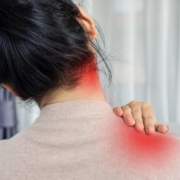
You may benefit from a golf-specific physical therapy evaluation if you experience shoulder pain during your backswing, struggle to reach the club into certain positions, feel restricted when rotating your upper body, or notice that one shoulder moves differently than the other.
However, limited mobility is not always the problem. Some golfers have adequate flexibility but lack the strength and control needed to use that motion effectively. A proper evaluation helps determine whether you need improved mobility, increased strength, better movement control, or a combination of all three.
Why Work With a TPI-Certified Physical Therapist?
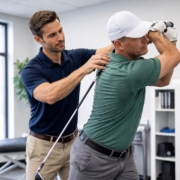
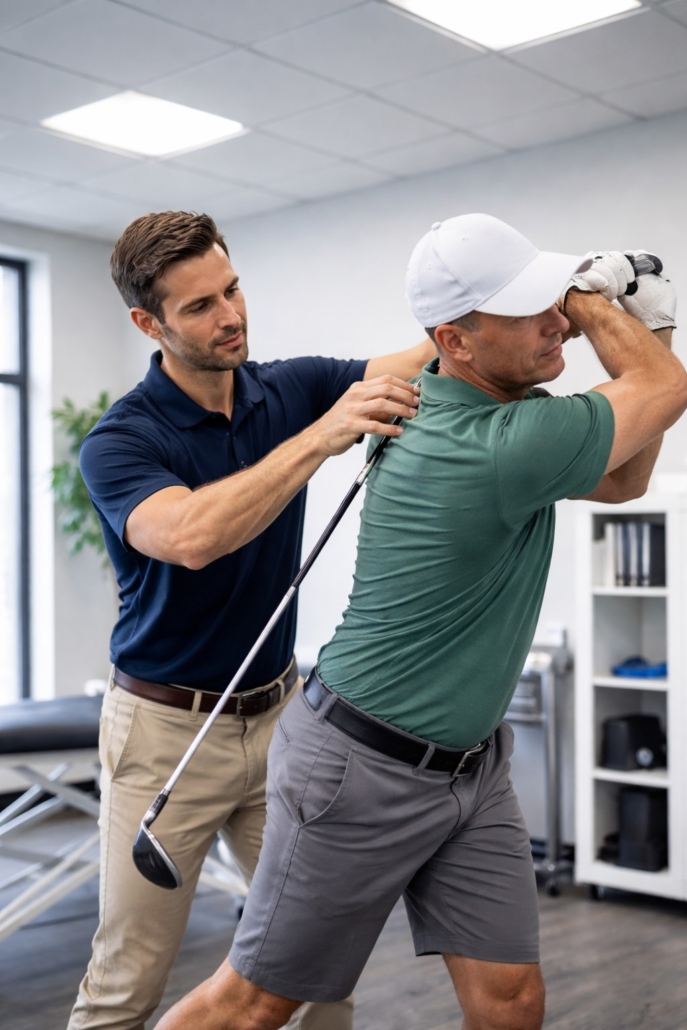
As a TPI-certified medical professional, we understand how physical limitations can influence golf swing mechanics. Titleist Performance Institute (TPI) education focuses on the connection between a golfer’s physical abilities and how they move during the swing.
This matters because a generic stretching routine may not address the actual reason your swing feels restricted. A TPI-informed physical therapy program evaluates your mobility, strength, balance, and movement patterns to help identify physical limitations that may affect your performance.
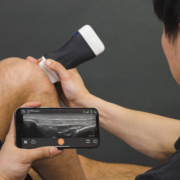
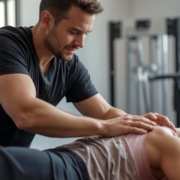
At Wall 2 Wall Sports & Rehab, we use individualized treatment plans that may include mobility exercises, strength training, movement retraining, and golf-specific exercises. When appropriate, diagnostic musculoskeletal ultrasound can also help assess certain shoulder structures.
Our goal is to improve how your body moves so you can work toward a more comfortable, efficient, and consistent golf swing.
Improve Your Golf Swing With Wall 2 Wall Sports & Rehab
You do not have to accept shoulder stiffness or pain as part of playing golf. Addressing mobility restrictions and movement compensations may help you improve your performance while reducing unnecessary strain on your body.
Wall 2 Wall Sports & Rehab provides personalized, mobile physical therapy in Glendale, Peoria, Surprise, and the surrounding West Valley. With TPI-certified expertise and a golf-specific approach, we bring professional rehabilitation directly to your home, gym, or golf facility.
Ready to improve your shoulder mobility and play better golf? Contact Wall 2 Wall Sports & Rehab today to schedule your evaluation and build a physical therapy program tailored to your body and your game.