Why Rest Alone Often Isn’t Enough For Chronic Elbow Tendon Pain
If you have been dealing with elbow pain for weeks or months, simply resting may not be enough to fix the problem. Chronic elbow tendon pain often requires progressive strengthening, improved movement mechanics, and a structured physical therapy program to help the tendon regain its ability to handle everyday activities. While reducing painful activities can help calm symptoms, avoiding movement for too long may leave the tendon weak and unable to tolerate the demands placed on it.
At Wall 2 Wall Sports & Rehab, we help patients throughout Glendale, Peoria, Surprise, and the West Valley overcome chronic elbow pain through personalized, one-on-one physical therapy. Our goal is to identify what is contributing to your symptoms and develop a treatment plan that helps you return to work, exercise, sports, and everyday activities.
What Causes Chronic Elbow Tendon Pain?
Tendons connect muscles to bones and transfer force when you move. Around the elbow, several tendons help control wrist movement, gripping, lifting, and forearm rotation.
When these tendons experience more stress than they can handle, they may become painful and less tolerant of activity. This is commonly referred to as tendinopathy.
Common Types of Elbow Tendon Injuries
1. Tennis Elbow (Lateral Elbow Tendinopathy)
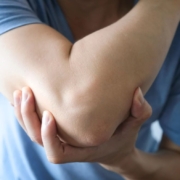
Tennis elbow affects the tendons on the outside of the elbow, commonly involving the extensor carpi radialis brevis (ECRB). It often causes pain with gripping, lifting, shaking hands, or extending the wrist against resistance.
2. Golfer’s Elbow (Medial Elbow Tendinopathy)
Golfer’s elbow affects the tendons on the inside of the elbow. Repetitive gripping, lifting, throwing, and wrist flexion can contribute to irritation and pain.
3. Distal Biceps Tendinopathy
The distal biceps tendon attaches the biceps muscle to the radius near the front of the elbow. Repeated heavy lifting, pulling, and resisted elbow flexion can contribute to tendon pain.
These conditions can affect athletes, weightlifters, golfers, construction workers, and people who perform repetitive activities throughout the day.
Why Rest Alone Often Isn’t Enough
Rest can be helpful during an irritated phase of an injury, especially when certain activities cause significant pain. However, tendons need an appropriate amount of loading to maintain strength and tolerate physical demands.
When you stop using an injured tendon completely, you may lose strength and conditioning. Once you return to your normal activities, the tendon may struggle to handle the same workload that caused your symptoms in the first place.
Three Reasons Rest May Not Solve Chronic Elbow Pain
1. Tendons Need Progressive Loading
Tendons respond to controlled mechanical stress. Gradually increasing resistance through a structured strengthening program can help improve the tendon’s ability to tolerate activity.
2. The Original Problem May Still Be Present
Rest does not necessarily correct the factors that contributed to your injury. Poor lifting mechanics, excessive training volume, repetitive gripping, or inadequate strength may continue to place stress on the tendon.
3. Pain Reduction Does Not Always Mean Full Recovery
Your elbow may feel better after several days of rest, but that does not automatically mean the tendon is ready for heavy lifting, sports, or repetitive work. Returning too quickly can cause symptoms to return.
How Physical Therapy Helps Chronic Elbow Tendon Pain
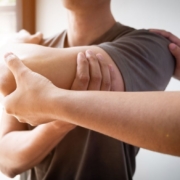
A personalized physical therapy program focuses on more than temporarily reducing pain. The goal is to restore strength, improve movement, and gradually prepare the tendon for the activities you need to perform.
Key Components of Elbow Tendon Rehabilitation
Progressive Strength Training: Exercises may include isometric, eccentric, and concentric strengthening to gradually improve tendon capacity.
Grip and Forearm Strengthening: Improving grip strength and forearm endurance can help prepare the elbow for lifting, carrying, and repetitive activities.
Movement and Activity Modification: Adjusting lifting technique, grip position, training volume, and workplace habits can reduce unnecessary tendon stress.
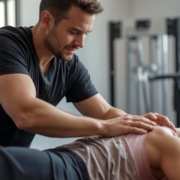
Hands-On Treatment: Manual therapy and other techniques may be used when appropriate to address symptoms and improve movement.
Can Diagnostic Ultrasound Help Evaluate Elbow Tendon Injuries?
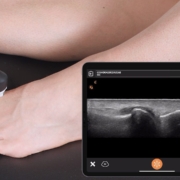
At Wall 2 Wall Sports & Rehab, we offer diagnostic musculoskeletal ultrasound when clinically appropriate. Ultrasound can help evaluate certain tendon changes, including thickening, abnormal tissue appearance, and some partial tendon tears.
As an RMSK-certified practice, we have specialized training in musculoskeletal ultrasound and its application to orthopedic conditions. Imaging findings are considered alongside your symptoms and physical examination to help guide treatment decisions. Ultrasound does not replace MRI or other imaging when those studies are more appropriate.
Stop Managing Elbow Pain and Start Addressing the Cause
Chronic elbow tendon pain does not have to keep you from lifting weights, playing golf, participating in sports, or completing everyday activities. Rest may help temporarily, but restoring tendon strength and activity tolerance requires the right rehabilitation approach.
Wall 2 Wall Sports & Rehab provides personalized, one-on-one mobile physical therapy throughout Glendale, Peoria, Surprise, and the surrounding West Valley. We bring specialized sports rehabilitation, diagnostic ultrasound when appropriate, and individualized treatment directly to your home, gym, or workplace.
Ready to get to the root of your elbow pain? Contact Wall 2 Wall Sports & Rehab today to schedule your evaluation and take the first step toward stronger tendons, better movement, and lasting results.